Borrow between $2,350 - $5,000 today.

Apply now Apply now

Tag: <span>Credit Score</span>

image

What Is A Line Of Credit?

Life can throw financial curveballs from many directions, whether it’s unplanned car repairs, emergency medical bills, or even a spontaneous overseas family trip. When cash is tight, many Australians turn to a personal loan to ease the pressure. It's a fixed lump sum you repay with interest over time – problem solved.

Budgeting 19 August 2026

In this article:

    Calculate your loan repayments

    How much would you like to borrow?

    Simply. Transparent. Tailored to you.

    Loan amount:
    $
    $2,350 $5,000
    Repayment frequency:
    Weekly repayment:

    (Over 12 month loan term)

    $0.00
    • Loan term 12 months
    • Interest & Fees $1,072
    • Total to pay $3,172
    arrow
      image

      Life can throw financial curveballs from many directions, whether it’s unplanned car repairs, emergency medical bills, or even a spontaneous overseas family trip. When cash is tight, many Australians turn to a personal loan to ease the pressure. It’s a fixed lump sum you repay with interest over time – problem solved.

      Understanding Lines of Credit

      So, what is a line of credit (LOC)? At its core, an LOC is a flexible type of loan: a revolving source of funds with a set limit that you can draw upon, repay, and then draw upon again and again when you need to. For some borrowers who use it in the way it’s intended, a line of credit can act as a financial safety net; an open-ended type of loan with a pre-approved limit.

      How A Personal Line Of Credit Works

      A line of credit works as an open-ended revolving facility, a category that also includes credit cards. When a prospective borrower applies for an LOC, they receive a credit limit (if approved), rather than the lump sum they’d receive with a cash loan.

      As the borrower, this arrangement lets you draw on your available funds up to that limit, and because you only pay interest on the outstanding balance you actually draw, you gain a versatile way to manage your fluctuating financial needs.

      Secured vs. Unsecured LOCs

      Lines of credit come as secured or unsecured, depending on the type you apply for.

      Applying for a secured line of credit requires you to put up an asset as collateral, such as a car or your home, just as you would for a secured loan. And like a loan, failure to meet your repayments means that the lender can seize the asset to recover what you owe.

      An unsecured LOC doesn’t require this type of guarantee, but it typically comes with a higher interest rate. You’ll also find that an unsecured line of credit comes with a lower maximum limit due to the greater risk level attached to it.

      Types Of Lines Of Credit

      When you ask “what is a line of credit?” you’ll discover that there are four key types available:

      • Personal line of credit
      • Business line of credit
      • Line of credit home loan
      • Credit card as LOC

      Personal Line Of Credit

      A personal line of credit is the most common type of LOC and is generally what most people apply for when they want flexible, ongoing access to funds. The flexibility and ease of use they offer make them helpful in situations where you may have ongoing or unpredictable expenses. Think home repairs and renovations that might regularly go over your initial budget, or medical expenses that you might pay off in stages. Like a personal loan, potential approval for an LOC is contingent upon income, expenses and credit history checks.

      Business Line Of Credit

      Businesses can apply for a line of credit that serves a similar purpose to a personal LOC. It also enables you to link your business debits and credits to the account.

      Line Of Credit Home Loan

      Also known as a Home Equity Line of Credit (HELOC), this allows homeowners to borrow against the equity in their property. It’s different from a mortgage redraw, which lets you access your own extra repayments rather than a credit limit.

      Credit Card As A Line Of Credit

      Finally, you have a credit card, which allows you to spend, withdraw and make repayments to a credit account with a pre-approved limit.

      Line Of Credit Interest Rates: What You Need To Know

      One important factor to consider when we look at the question “What is a line of credit?” is the matter of interest rates.

      Marketwide in Australia, LOC interest rates often vary depending on whether the product is secured or unsecured, what the lender offers, and the borrower’s individual circumstances, such as credit history. As with any credit product, it’s worth comparing rates and fees carefully before making any decisions.

      The Advantages Of A Line Of Credit

      When it comes to loan options, a personal line of credit may present several advantages to some potential borrowers.

      One Application, Ongoing Access

      A personal line of credit is an ongoing and open-ended loan arrangement. Once you’ve applied and the lender has approved your LOC, you won’t need to keep applying each time you wish to borrow more funds. As long as there is money available in your account, you have funds that you can draw upon.

      Ready When You Want It

      A line of credit can be a convenient financial safety net, giving you quick access to funds during unexpected emergencies or times of fluctuating expenses.

      The Possible Drawbacks Of A Line Of Credit

      While a line of credit can suit many, it won’t necessarily be the right fit for everyone. Here are some potential drawbacks to watch out for.

      Variable Interest Charges

      Interest rates on lines of credit are often variable, which means your monthly repayments can change from month to month.

      Risk Of Overspending

      With easy access to funds, it’s important to stay disciplined and not treat your line of credit like an endless source of money. Some people can fall into the trap of overspending and building up significant amounts of debt.

      Collateral Risks

      If you choose a secured line of credit, you’ll put up an asset, such as your home or car, as collateral. Missing repayments could result in losing that asset, so it’s a serious commitment to consider.

      Alternatives To A Line Of Credit

      While a line of credit has its benefits, it’s worth exploring some other options that might better suit your needs.

      Personal Loans

      A personal loan gives you same-day access to a fixed amount of funds over a fixed term. You can use them for a wide range of purposes, from dental surgery to rental bond payments and even consolidating your existing debts.

      Like an LOC, they do come with establishment fees, interest rates and penalties for late or missed payments. But with a fixed term and a fixed interest rate, you’ll always know what you need to pay and when you need to pay it.

      Home Loan Redraw Facility

      If you’re able to make additional repayments to your home loan, a redraw facility is another option to consider. This feature allows you to access the additional funds you’ve already paid into your mortgage, so your home loan can serve as a flexible source of funds. A redraw facility can be a cost-effective option given that the interest rate on a home loan is typically much lower than that of a personal line of credit or a credit card.

      Line of Credit vs Personal Loan: Which Is Better?

      If you’re asking “What is a line of credit?” because it’s an option you’re considering and comparing against the more familiar fixed-term instant loan, know that there is no single right answer. In the end, it depends on what you need the funds for.

      For a one-off known expense that won’t change, and that you can finalise on a fixed date (or sooner), a loan may be a more suitable option. You get a fixed amount to repay over a fixed term, with consistent repayments.

      For continuous or unpredictable expenses, a line of credit may offer more flexibility as you can draw funds as you need them rather than agreeing to an upfront lump sum. You’ll likely find that costs vary drastically between individual lenders and products, so it’s worth comparing rates, fees, and terms directly rather than assuming one product type is cheaper than the other.

      Make The Smart Choice For Your Financial Needs

      At Red Tree Finance, we know how important it is to build a healthy financial future. That’s why we offer a range of personal loan options designed to help you reach your goals.

      If a line of credit isn’t quite what you’re after, one of our fixed-term personal loans might be the perfect fit.

      Whether you’re looking for a fast loan to help you address an unexpected expense or need a loan to help with the costs of moving house, get in touch with Red Tree Finance to see how we can help you.

      A personal line of credit can be a useful financial tool if you have the discipline to manage it wisely and avoid overspending. That said, whether it’s right for you depends on your current financial situation and individual needs. It’s important to consider your ability to repay and how an ongoing credit arrangement will fit with your budget before making a decision.

      The best option for you will ultimately depend on your financial situation and borrowing needs. A fixed loan offers a set amount with predictable repayments, making it a good choice for specific projects or expenses. In contrast, a revolving line of credit provides ongoing access to funds, which can be good for managing fluctuating costs or emergencies.

      A line of credit can present several disadvantages. Interest rates are usually variable, so your repayments may vary from month to month, and because the credit is ongoing, there’s a risk of overspending if you’re not careful. Plus, if your line of credit is secured, you could risk losing your asset if repayments aren’t kept up.

      The information provided in this blog is of a general nature and is provided without considering your specific objectives, financial situation, or needs. It is intended for informational purposes only and should not be relied upon as financial, investment, or other professional advice.

      Before making any financial decisions or taking action based on the information presented, you are strongly encouraged to assess its appropriateness in light of your individual circumstances. Red Tree Finance does not intend to provide personalised financial advice, and you should seek independent financial, legal, tax, and other relevant advice tailored to your unique situation.


      image
      img
      image
      img
      Apply now

      Ready to apply for a loan?

      Apply to borrow up to $5,000 fast. Complete your online application in under 5 minutes.

      image
      image
      image

      What Is A Credit Card Balance Transfer?

      With living costs on the rise in Australia, high-interest credit card debt can feel like a treadmill that never stops. Whether you're struggling to keep up with everyday bills and expenses or carrying a balance that just won't shrink, a “balance transfer” might sound like the best way to get off that treadmill. While this

      Debt Consolidation 15 April 2026

      In this article:

        Calculate your loan repayments

        How much would you like to borrow?

        Simply. Transparent. Tailored to you.

        Loan amount:
        $
        $2,350 $5,000
        Repayment frequency:
        Weekly repayment:

        (Over 12 month loan term)

        $0.00
        • Loan term 12 months
        • Interest & Fees $1,072
        • Total to pay $3,172
        arrow
          image

          With living costs on the rise in Australia, high-interest credit card debt can feel like a treadmill that never stops. Whether you’re struggling to keep up with everyday bills and expenses or carrying a balance that just won’t shrink, a “balance transfer” might sound like the best way to get off that treadmill. While this option may provide some financial breathing space and offer an effective solution, balance transfers aren’t always the “get out of jail free” card they appear to be.

          How Does A Balance Transfer Really Work?

          Before signing a new credit agreement, it’s important to think about the short-term benefits and the long-term risks, and consider each carefully.

          The Advantages

          • Temporary relief from high interest: Transferring your balance from a high-rate to a low-rate (or no-interest) card can help you reduce your principal quicker.
          • Simpler debt management: Transferring multiple credit card balances into one single card can make your finances easier to manage, as you only have one repayment to keep track of instead of several.

          The Drawbacks

          • The revert rate can be expensive: If you don’t repay the transferred balance in full before the end of the promotional period, the remaining amount often attracts a significantly higher interest rate. For some people, depending on the balance, this can be like walking one step forward and two steps back. This can lead to a situation that leaves you considering an emergency loan to cover an unexpected shortfall.
          • Fees can reduce the benefit: Many balance transfer offers come with an upfront transfer fee, which lenders add to your balance from day one. This means the offer may not be as cost-effective as it first appears.
          • It can encourage ongoing credit card use: For some borrowers, moving the balance creates a false sense of progress. Keeping old cards open or making new purchases on the balance transfer card makes it easy to fall back into old habits and maintain the same debt cycle.

          Why A Balance Transfer Isn’t Always The Best Solution

          While some credit card holders can make balance transfers work to their advantage, they’re not always suitable for everyone and require a lot of self-control to manage.

          Moving the debt from one card to another and believing you’ve solved the problem doesn’t always work out that way. It’s why many people fall into the trap of keeping their old cards open and continuing their spending.

          In many cases, banks don’t always allow a full transfer of the balance of your new card; you might only be able to move 70% or 80% of the approved amount. This leaves you with a “hangover” of debt on your old high-interest card, which defeats the point of consolidation.

          Many providers can also cancel your 0% offer right away if you miss just one payment, putting you back where you started. When you’re already under financial pressure, waiting weeks for a solution isn’t an option. This is why many Australians look into same-day loan options that can stop the interest clock sooner.

          Structured Personal Loans: The Alternative

          For many Australians seeking ways to reduce their debt, maintaining a revolving door of credit cards (even with low to no interest) risks keeping the debt problem alive. This is where cash loans for debt consolidation can provide a better, more organised way to get your balance down.

          Unlike a credit card that stays open until you decide to cancel it, a secured loan has a set end date, which allows you to clearly see the end of the tunnel. This may make your life easier by paying off all of your cards at once with a cash loan. There is no guesswork or “revert rates”; just a simple plan to pay off your debts.

          Key Things To Consider When Making A Consolidation Plan

          Before signing up for an online loan, or any new financial product, you should look beyond the “low rate” headlines and see how the debt structure aligns with your current financial circumstances.

          To make sure your plan for a fresh start works, think about the following things:

          • Repayment scheduling: Can you schedule your repayments directly with your payday – whether it’s weekly, fortnightly or monthly – so you don’t run out of money?
          • Speed of approval: Every day counts when your current interest rates are sky high. The quicker the decision on your application, the quicker you can stop the interest from bleeding on your old cards.
          • A clear finish line: With a fixed-term loan, you know you’ll pay the debt off by a certain end date. With credit cards, you can choose to only make the minimum payments, which keeps the debt cycle ongoing.
          • Cost transparency: Has the lender clearly outlined the total costs and interest rates up front, or are there hidden “revert rates” and annual fees that you can’t see?
          • Human assessment: Will you only have an algorithm judging your application, or will the lender also look at your current job and how well you can handle payments today?

          How To Decide Which Option Suits Your Situation

          Choosing between a balance transfer and a consolidation loan as the best option to manage your debts will depend on your spending habits.

          A balance transfer might work for someone who has only a small amount of debt and is very disciplined about not using their card to buy coffee or petrol. But if you really want to stop using “plastic” for good, a personal loan may suit you better and allow you to combine all of your debts into one fixed payment. This will enable you to start over and see your balance finally reach zero by a certain date.

          Take Charge Of Your Financial Future

          While a credit card balance transfer can be helpful for some people, it’s often just a band-aid solution to a bigger problem for others.

          Moving debt from one card to another doesn’t erase the issue. It might reduce the problem, but it can also just “relocate” the problem. To really manage your debts and reclaim control of your finances, a structured plan with a clear start and end date goes a long way.

          At Red Tree Finance, we understand that getting on top of debt is rarely about those quick fixes. More often, it comes down to choosing an option that is realistic, manageable and easier to stick with over time. For some borrowers, that may mean looking beyond credit cards altogether and exploring fast loans online that offer clear repayment terms and an even clearer endpoint.

          Frequently Asked Questions

          View all FAQs View all FAQs

          A balance transfer credit card allows you to move the balance you owe from a card with a high interest rate to one that comes with a lower rate of interest (or 0% interest) for a determined period of time. This enables you, as the cardholder, to repay the principal you owe more quickly than you would on a high-interest-rate card. While balance transfer cards allow you to simplify your debt repayments at a lower interest rate, they do often incur a one-time fee to facilitate the transfer.

          Credit card balance transfers can be an effective debt management strategy for some people, but they won’t necessarily work for everyone. If you’re disciplined enough to treat your balance transfer card simply as a way to reduce your debt, it may provide the benefits you need. But if you continue to use the card for spending, you risk adding to your debt and defeating the original purpose of transferring the balance.

          Common drawbacks that come with a credit card balance transfer can include:

          • The upfront transfer fee (which can be up to 5% of the total balance)
          • The significantly higher interest rate that your credit card reverts to if you don’t pay off the balance in full during the promotional period.
          • The possible drop in your credit score. Though it’s often temporary, any new credit application can negatively impact your rating.

          The information provided in this blog is of a general nature and is provided without considering your specific objectives, financial situation, or needs. It is intended for informational purposes only and should not be relied upon as financial, investment, or other professional advice.Before making any financial decisions or taking action based on the information presented, you are strongly encouraged to assess its appropriateness in light of your individual circumstances. Red Tree Finance does not intend to provide personalised financial advice, and you should seek independent financial, legal, tax, and other relevant advice tailored to your unique situation.

          image
          img
          image
          img
          Apply now

          Ready to apply for a loan?

          Apply to borrow up to $5,000 fast. Complete your online application in under 5 minutes.

          image
          image
          image

          How To Improve Your Credit Score Without A Credit Card In Australia

          Building a strong credit score is crucial for your financial health, but what if you don't want to or can't get a credit card? Don't worry – while credit cards are often touted as a primary method for building credit, they're not the only way to boost your score. In fact, many Australians prefer to

          Guide 24 July 2025

          In this article:

            Calculate your loan repayments

            How much would you like to borrow?

            Simply. Transparent. Tailored to you.

            Loan amount:
            $
            $2,350 $5,000
            Repayment frequency:
            Weekly repayment:

            (Over 12 month loan term)

            $0.00
            • Loan term 12 months
            • Interest & Fees $1,072
            • Total to pay $3,172
            arrow
              image

              Building a strong credit score is crucial for your financial health, but what if you don’t want to or can’t get a credit card? Don’t worry – while credit cards are often touted as a primary method for building credit, they’re not the only way to boost your score. In fact, many Australians prefer to manage their finances without relying on credit cards. The good news is there are plenty of effective strategies to improve your credit score without using a credit card.

              Understanding Credit Scores in Australia

              Before we dive into the strategies, let’s quickly break down what a credit score means. A credit score is a number between 0 and 1,200 (depending on the credit reporting agency), it’s like a financial report card that lenders use to assess the risk of lending you money or providing credit.

              In Australia, credit scores are calculated based on various factors, including:

              • Your payment history
              • The types of credit you have
              • The amount of credit you’re using
              • The length of your credit history
              • Recent credit applications

              What are Alternative Ways to Build Credit Without Using a Credit Card?

              For individuals who may not qualify for a credit card or prefer to avoid them, there are several alternative methods to build and improve credit scores.

              Establish a Solid Payment History

              Your payment history is one of the most important elements influencing your credit score. Consistently paying your bills on time can have a substantial positive impact on your score. This includes:

              • Rent payments
              • Utility bills (electricity, gas, water)
              • Phone and internet bills
              • Loan repayments

              Set up automatic payments or reminders to ensure you never miss a due date. Remember, even a single late payment can negatively affect your credit score.

              Diversify Your Credit Portfolio

              While you’re avoiding credit cards, consider other types of credit to diversify your portfolio. This can include:

              • Personal loans
              • Car loans
              • Home loans

              A diverse credit mix shows lenders that you can handle different financial obligations responsibly, which can lead to a higher credit score.

              Maintain Stable Employment and Residence

              Lenders love stability. While this doesn’t directly impact your credit score, it can:

              Monitor Your Credit Report Regularly

              Keeping a close eye on your credit report is crucial for maintaining a good credit score. In Australia, you can get a free credit report from credit reporting agencies like Equifax, Experian, or Illion.

              Regularly checking your report allows you to:

              • Identify and dispute any errors
              • Detect potential fraud or identity theft early
              • Understand what factors are influencing your score

              Practice Prudent Financial Habits

              Maintaining good financial habits is key to improving and maintaining a healthy credit score. This includes:

              These habits demonstrate financial responsibility, which is attractive to lenders and can positively impact your credit score over time.

              Consider Buy Now, Pay Later Services (with caution)

              Buy Now, Pay Later (BNPL) services have become increasingly popular in Australia. While they can be a useful tool for building credit, it’s crucial to use them responsibly:

              • Make all payments on time
              • Don’t overextend yourself by using multiple BNPL services
              • Use these services sparingly and strategically
              • Treat them as a credit-building tool, not a spending free-for-all
              • Be aware that some lenders may view excessive BNPL use negatively

              Opt for Personal Loans for Major Purchases

              Consider taking out a personal loan instead of relying on credit cards for large expenses. Personal loans often have lower interest rates than credit cards and, when managed responsibly, can help you build a positive credit history.

              A personal loan exposes you to a fixed amount of debt with set repayments, while a credit card is ‘revolving credit’. With a credit card, repayments vary depending on how much is spent and interest accrues on the unpaid balance over time.

              Build Your Savings

              While savings don’t directly impact your credit score, having a financial buffer in your savings account can help you avoid missing payments or resorting to high-interest loans in emergencies. This indirectly supports a healthy credit score by enabling consistent, on-time payments.

              How do Loans Contribute to Building a Credit Score?

              Understanding how various loan types affect your credit score can help you make informed decisions about your financial products. Here’s a breakdown of how different loans can impact your credit score:

              Secured Loans

              Secured loans can be an accessible way to start building credit and diversify your credit portfolio. They are generally viewed favourably by credit agencies because they’re backed by an asset, reducing the risk for lenders. Your credit score can be considerably raised by properly managing a secured loan.

              Personal Loans

              Personal loans can be an excellent way to build your credit history. Making timely repayments on a personal loan demonstrates your ability to manage credit responsibly. However, be cautious about applying for multiple loans in a short period, as this can result in hard credit inquiries that may temporarily lower your score.

              Short-Term Loans

              When handled properly, short-term cash loans may help you raise your credit score and diversify your credit portfolio. Your credit score can be raised by making consistent, on-time short-term loan repayments.

              However, it’s crucial to use short-term loans responsibly. Only borrow what you can afford to repay, always make payments on time, and avoid taking multiple short-term loans simultaneously.

              Buy Now, Pay Later (BNPL) Services

              As mentioned earlier, BNPL services are increasingly being considered by lenders when assessing creditworthiness. While they can be useful tools, it’s crucial to use them responsibly and avoid overextending yourself.

              The Importance of Loan Management

              Regardless of the type of loan you choose, how you manage it is crucial for your credit score. Here are some key points to remember:

              • Always make repayments on time
              • Be mindful of the loan amount and your ability to repay it
              • Consider the loan term – longer credit histories generally have a positive impact on your score

              What to Avoid When Building Credit

              Credit Inquiries and Your Score

              When applying for loans, be aware that each application typically results in a hard credit inquiry. These inquiries can temporarily lower your credit score, especially if there are multiple inquiries in a short period. Be strategic and only apply when necessary.

              Overextending Yourself Financially

              Always borrow within your means. When you take on more financial obligations than you can handle, you’re more likely to miss payments or make them late. At Red Tree Finance, we’re committed to responsible lending and make sure we only approve you for a loan that will meet your needs.

              Ready to Take Control of Your Financial Future?

              Improving your credit score without a credit card is not only possible but can be an effective way to build a strong financial foundation. By implementing the strategies we’ve discussed – from establishing a solid payment history to diversifying your credit portfolio with personal loans – you can enhance your creditworthiness and open doors to better financial opportunities.Remember, building a good credit score takes time and consistent effort. Be patient and stay committed to your financial goals. If you’re considering applying for a loan to help build your credit, or just need some more information, don’t hesitate to get in touch with us. Our team of experts are here to help you navigate your financial journey and achieve your goals.

              Frequently asked questions

              View all FAQs View all FAQs

              Yes, paying utility bills on time can help improve your credit score. Newer credit scoring models consider positive payment histories for utilities and other bills, which can enhance your credit profile. Additionally, if you fail to pay and your account is sent to collections, it can negatively impact your credit score.

              To improve your credit score when you have no credit history:

              • Start with a small cash loan or low income loan from a reputable lender. Making timely repayments on these loans can help establish a positive credit history.
              • Ensure all utility bills, rent, and other regular payments are made on time, as some newer credit scoring models may consider these.
              • Consider using a buy now, pay later service responsibly, as some lenders now take these into account.
              • Apply for a low-limit credit card or secured credit card, using it for small purchases and paying the balance in full each month.

              Remember, building credit takes time and consistent responsible financial behaviour. Focus on making all payments on time and managing any credit accounts responsibly.

              To build credit without debt focus on timely utility bill payments and responsible management of a savings account. Consider using a secured credit card for small purchases, paying the balance in full monthly, and using buy now, pay later services responsibly.

              The information provided in this blog is of a general nature and is provided without considering your specific objectives, financial situation, or needs. It is intended for informational purposes only and should not be relied upon as financial, investment, or other professional advice.

              Before making any financial decisions or taking action based on the information presented, you are strongly encouraged to assess its appropriateness in light of your individual circumstances. Red Tree Finance does not intend to provide personalised financial advice, and you should seek independent financial, legal, tax, and other relevant advice tailored to your unique situation.

              image
              img
              image
              img
              Apply now

              Ready to apply for a loan?

              Apply to borrow up to $5,000 fast. Complete your online application in under 5 minutes.

              image
              image
              image

              How Long Does A Bad Credit Rating Last?

              Managing your credit is a key part of financial health, but we’re all bound to make some mistakes along the way. So how long does bad credit last? Understanding the way your credit score works can be confusing. And whether you’re new to the world of credit or just trying to improve your credit with

              Debt Consolidation 15 May 2025

              In this article:

                Calculate your loan repayments

                How much would you like to borrow?

                Simply. Transparent. Tailored to you.

                Loan amount:
                $
                $2,350 $5,000
                Repayment frequency:
                Weekly repayment:

                (Over 12 month loan term)

                $0.00
                • Loan term 12 months
                • Interest & Fees $1,072
                • Total to pay $3,172
                arrow
                  image

                  Managing your credit is a key part of financial health, but we’re all bound to make some mistakes along the way. So how long does bad credit last? Understanding the way your credit score works can be confusing. And whether you’re new to the world of credit or just trying to improve your credit with a debt consolidation loan, knowing how your credit information may affect your score is essential. We’ll explain what bad credit is, and just how long you can expect it to follow you around.

                  What is considered “bad credit”?

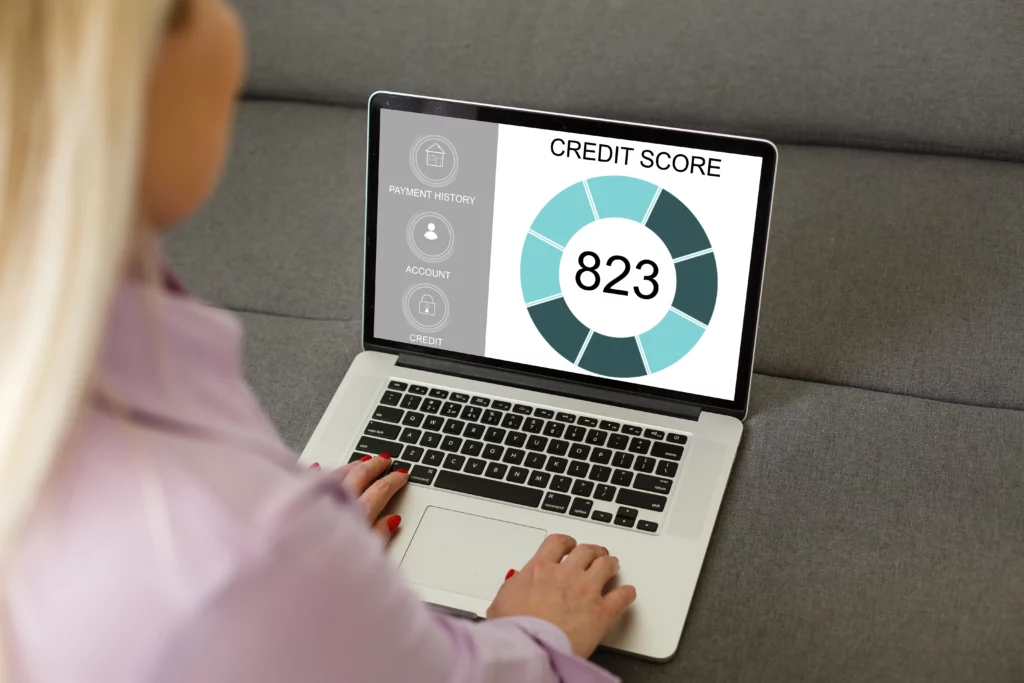
                  Close up of someone using a laptop, the screen displays a credit score of 823

                  Before we explore how long bad credit sticks around, or how to repair bad credit, it’s important to understand what it actually means. In Australia, your creditworthiness is demonstrated through your credit report, which showcases your credit history to potential lenders.
                  This information helps lenders assess whether you are a high risk for repayment or if you have a track record of good financial behaviour. The three major credit reporting agencies in Australia are Equifax, Experian, and Illion.
                  While each agency has their own scoring criteria, generally a score of 500 or lower is considered below average, or bad credit. A score of above 661 puts you in the good range, while anything about 853 is considered excellent. Below is a breakdown of the full credit score ranges from Australia’s major credit agencies.

                  Credit bureau Excellent Very Good Good Fair Below average
                  Equifax 853 – 1,200 735 – 852 661 – 734 460 – 660 0 – 549
                  Experian 800 – 1,000 700 – 799 625 – 699 550 – 624 0 – 549
                  Illion 800 – 1,000 700 – 799 500 – 699 300 – 499 0 – 299

                  How long does a bad credit rating last?

                  Bad credit information may stay on your credit report for up to 5 to 7 years, depending on the type of negative event. For example, late payments typically last up to 5 years, while more severe issues like bankruptcies may remain for 7 years. However, the impact of bad credit may decrease over time, especially if you start practising good credit habits like making on-time payments and reducing debt.

                  Factors that can impact credit duration

                  Several factors may influence how long certain items remain on your credit report. These include:

                  • The type of account or event: For instance, while inquiries into your credit (such as when you apply for a loan) may stay on your report for only two years, more serious issues like defaults can last much longer.
                  • Your repayment behaviour: Timely repayments may help reduce the impact of negative marks on your credit over time. Conversely, late or missed payments may lead to a prolonged effect.
                  • The credit reporting agency: Different agencies may have slightly different policies for how long they keep your data. It’s always a good idea to check your credit report with multiple agencies to ensure accuracy.

                  Keeping your credit in good shape

                  A couple sitting at a computer holding a credit card work on keeping their credit in good shape

                  You can’t always control what happens to your credit, but you can take steps to keep it in tip-top shape! Here are some tips:

                  • Make payments on time: This one’s simple, you need to organise your bills and pay them on time in order to maintain or improve your score.
                  • Keep old accounts open: Even if you’re not using a credit card, having a long-standing line of credit can improve your score, as it shows a history of managing credit responsibly.
                  • Limit applications for new credit: Applying for too many loans or credit cards at once may raise red flags to lenders, as it might seem you’re overly reliant on borrowing.
                  • Check your credit report regularly: Mistakes happen! By reviewing your report at least once a year, you can spot any errors or issues early. It’s free to check your report every three months, but if you want to do it any more frequently you may incur some fees.
                  • Debt consolidation: If you’ve accumulated a large amount of debt, you might be eligible for a debt consolidation loan which, if you continue to pay off, can increase your credit periodically.

                  Will bad credit affect me if I want to get a loan?

                  Bad credit may affect your ability to get a loan, as lenders typically review your credit history to determine risk. However, some lenders offer small personal loans to individuals with less-than-perfect credit. While you might face higher interest rates or stricter repayment terms, you still have options. It’s important to always review the terms and ensure you can repay the loan before applying.

                  Stay on top of your credit score with Red Tree Finance

                  A woman smiles at her phone while sitting on a grey couch

                  It’s important to stay on top of your credit history to make sure it reflects responsible borrowing and repayment. Whether you’re planning a large purchase or just trying to keep your financial options open, keeping an eye on your credit can make a big difference in the long run.

                  At Red Tree Finance, we offer cash loans designed to help you when you need it most. Our loan process is quick and easy, making it possible to get the funds you need, even if your credit history isn’t flawless. If you need an emergency loan to cover an unexpected bill, or a debt consolidation loan to try to improve your credit score, we can help! Apply for a loan today or contact our team for more information.

                  Frequently Asked Questions

                  View all FAQs View all FAQs

                  Credit information, such as late payments or defaults, may stay on your credit report for up to 5-7 years. This can depend on the type of information and the credit reporting laws in your area.

                  It’s a good idea to check your credit score regularly – at least once a year – to ensure everything is accurate and up-to-date. You may also want to review it before making big financial decisions like applying for a loan or credit card.

                  Taking out a small personal loan may help improve your credit score if you make timely payments and manage the loan responsibly. However, it’s important to only borrow what you can comfortably repay to avoid negative impacts on your credit.

                  People also read:

                  The information provided in this blog is of a general nature and is provided without considering your specific objectives, financial situation, or needs. It is intended for informational purposes only and should not be relied upon as financial, investment, or other professional advice.

                  Before making any financial decisions or taking action based on the information presented, you are strongly encouraged to assess its appropriateness in light of your individual circumstances. Red Tree Finance does not intend to provide personalised financial advice, and you should seek independent financial, legal, tax, and other relevant advice tailored to your unique situation.

                  image
                  img
                  image
                  img
                  Apply now

                  Ready to apply for a loan?

                  Apply to borrow up to $5,000 fast. Complete your online application in under 5 minutes.

                  image
                  image
                  image

                  What Does Debt Consolidation Do To Your Credit Score?

                  Are you stuck with more debts than you can afford to pay? You may be looking at debt consolidation as a potential option to take control of your finances once and for all. But how does debt consolidation work, and what does debt consolidation do to your credit score? It has the potential to hurt

                  Loans Advice 19 June 2023

                  In this article:

                    Calculate your loan repayments

                    How much would you like to borrow?

                    Simply. Transparent. Tailored to you.

                    Loan amount:
                    $
                    $2,350 $5,000
                    Repayment frequency:
                    Weekly repayment:

                    (Over 12 month loan term)

                    $0.00
                    • Loan term 12 months
                    • Interest & Fees $1,072
                    • Total to pay $3,172
                    arrow
                      image

                      Are you stuck with more debts than you can afford to pay? You may be looking at debt consolidation as a potential option to take control of your finances once and for all. But how does debt consolidation work, and what does debt consolidation do to your credit score? It has the potential to hurt or help your score, depending on how diligent you are with repayments. In this comprehensive guide, we’ve outlined the pros and cons, plus some alternatives to debt consolidation.

                      What is debt consolidation?

                      A man sits on the floor in front of a pile of unpaid bills, his empty wallet, and a calculator displaying zero

                      Financial debt is a reality for most Australians. Most people with multiple debts face the prospect of keeping track of many different repayment schedules and amounts.

                      Debt consolidation is a way of combining your existing debts, such as credit cards or personal loans, into one manageable loan. It’s a way to streamline your debts into one monthly repayment, so you’re less likely to incur late fees from missed payments. They can even save you money in the long run if you qualify for a debt consolidation loan with a lower interest rate than the ones on your current debts.

                      Types of debt consolidation

                      Before we consider the advantages and disadvantages of debt consolidation, as well as its impact on your credit score, we need to go over the different types of debt consolidation that exist. There are several ways you can consolidate your debts. They include:

                      • Debt consolidation loans: Getting a debt consolidation loan is one of the easiest options to combine multiple debts into a single loan, with a structured payment plan. For people who have multiple high-interest payments, this can potentially lower your interest rates.
                      • Credit cards: Getting a new credit card is another way to consolidate all your debts. You can apply for a balance transfer card and get all your existing debts transferred to the new card, sometimes at a lower interest rate. However, make sure you read the terms and conditions, as these cards can sometimes incur balance transfer fees and higher interest rates as opposed to debt consolidation loans.
                      • Home equity loan: A home equity loan or a home line of credit can be used to consolidate your debt. However, this is a type of secured loan that uses your home as collateral, so you must be prepared to complete all your payments on time.

                      What does debt consolidation do to your credit score?

                      Like all forms of credit, debt consolidation can have a negative or positive impact on your credit score. When you apply for a debt consolidation loan, a hard credit check can temporarily drop your credit score. But as long as you manage your loan responsibly and make repayments on time, this should only be a temporary drop.

                      Below we’ve outlined some positive and negative affects a debt consolidation loan can have on your credit score.

                      Positives Negatives
                      Builds a history of on-time repayments Hard credit check will cause temporary drop
                      Lowers the chance of missed repayments Can shorten the length of your credit history
                      Reduced credit utilisation ratio Doesn’t solve root cause of debt

                      The potential negative effects on your credit score are mostly short-term. By responsibly managing your debt consolidation loan, you could see long-term benefits, like paying off your debt sooner and an increase in your credit score.

                      But there are some factors other than your credit score you should take into account before deciding whether a debt consolidation loan is right for you.

                      What is a debt consolidation loan?

                      A debt consolidation loan is a type of personal loan that you use to pay off other debts. It’s a way to save on annual fees and multiple interest charges, as well as reducing the chance of missing payments by combining them into one regular repayment.

                      Debt consolidation vs personal loan

                      Every debt consolidation loan is a personal loan, but not all personal loans are debt consolidation loans. A personal loan can be used to pay for anything like emergency bills, car repairs, or even a holiday. What makes a personal loan a debt consolidation is your decision to use it to pay off your debts.

                      Pros and cons of a debt consolidation loan

                      A happy couple sit at their kitchen island and go over their finances with bills and a tablet in front of them

                      Every person’s financial situation is different, and there’s no one-size-fits-all approach to managing debt. We’ve outlined some pros and cons to help you figure out whether a debt consolidation loan is right for you.

                      Pros of debt consolidation

                      • Less stress: gives you some relief by putting all your existing debts into one online loan with a single interest rate and payment schedule.
                      • Lower interest rate: A debt consolidation loan can lower the overall interest rate of your debts with a low-interest loan or zero-interest rate credit card (this is usually only valid for an introductory period)
                      • Customised payment schedule: you can choose recurring weekly, fortnightly, or monthly payments that line up with your pay schedule to avoid being caught short
                      • Pay off debts sooner: a customised payment schedule means you could pay your debt off sooner
                      • Increase in credit score: through consistent on-time payments, you will begin to see your credit score rise.

                      Cons of debt consolidation

                      • Costly fees: in consolidating your debts, you may incur some fees. These can include balance transfer fees, closing fees, and loan origin fees.
                      • Higher interest rate: You may not be able to get a lower interest rate, especially if your credit score is quite low.
                      • Risk of losing assets: If an unsecured loan isn’t an option, you may have to opt for a secured loan using something of high value for collateral. This could be a car or a house, which you might not feel comfortable losing if you can’t make repayments.
                      • Potential costs over time: If you get a consolidation loan with a longer repayment period, you may incur higher costs over time.
                      • Not a complete solution: a debt consolidation loan is a way of managing existing debt, but it doesn’t solve the root cause of accumulating debt, such as poor budgeting or overspending.

                      If you’re still not sure whether a debt consolidation loan is the right solution for your circumstances, the National Debt Helpline is a great resource to consult. There you can access free, confidential financial counselling to help you get back on track.

                      Debt consolidation alternatives

                      A woman in a yellow jumper smiles while taking a phone call in her kitchen

                      If you’re looking for alternatives to debt consolidation loans, there are some options.

                      Negotiate payment terms

                      Sometimes life throws you an unavailable curveball, and you might not be able to meet all your repayments in a particular month. If you’ve fallen behind, try calling your creditors and explaining your situation. Most organisations will work with you to negotiate an arrangement you can afford to pay, rather than ignoring the problem until it snowballs out of control.

                      Debt management plans

                      A debt management plan is an agreement between debtors, creditors and a debt management firm, which allows you to pay off all your debts at a rate you can afford. If you are wary about taking out a new loan, this may be a suitable option. However, you may lose the ability to open new credit accounts during this time.

                      Bankruptcy

                      Bankruptcy is a last resort step when debts become completely unmanageable. Although filing for bankruptcy helps to reduce or eliminate your finances, it can have serious long-term impacts on your credit score. It can stay on your credit history for up to 7 years, which will make it difficult to open new credit accounts. You should consult a financial advisor before considering this option.

                      Consolidate your debt with Red Tree Finance

                      Now that you know what debt consolidation can do to your credit score, you can soundly make the right decision for your circumstances. At Red Tree Finance, we understand the importance of a good credit history and are here to help you navigate through the process. With our online debt consolidation loans, you can regain control of your finances and take a step towards improving your creditworthiness.

                      Don’t let debt hold you back any longer! Contact the experienced team of loan assessors at Red Tree Finance today and discover how a debt consolidation loan can lead you to a brighter financial future.

                      Frequently Asked Questions

                      View all FAQs View all FAQs

                      A debt consolidation loan can actually raise your credit score over time, as long as you have completed your payments on time. You may see a decrease in your credit score at first, however in time this can improve.

                      If you have multiple debts that you cannot afford to pay and struggle to keep track of, a debt consolidation loan may be the best option for you. This will combine your debts into one easy and manageable payment system, which may actually come with a lower interest rate than all your debt payments beforehand.

                      In some cases, your credit cards will close during the term of your debt consolidation plan. However, if your account remains in good standing after you have paid your debts, you can still use them. It’s always important to remember that credit cards may be the reason you have stumbled into this financial situation in the first place. So it’s important to implement some smart budgeting tips to prevent more debt in the future.

                      People also read:

                      The information provided in this blog is of a general nature and is provided without considering your specific objectives, financial situation, or needs. It is intended for informational purposes only and should not be relied upon as financial, investment, or other professional advice.

                      Before making any financial decisions or taking action based on the information presented, you are strongly encouraged to assess its appropriateness in light of your individual circumstances. Red Tree Finance does not intend to provide personalised financial advice, and you should seek independent financial, legal, tax, and other relevant advice tailored to your unique situation.

                      image
                      img
                      image
                      img
                      Apply now

                      Ready to apply for a loan?

                      Apply to borrow up to $5,000 fast. Complete your online application in under 5 minutes.

                      image
                      image
                      Apply now Apply now