

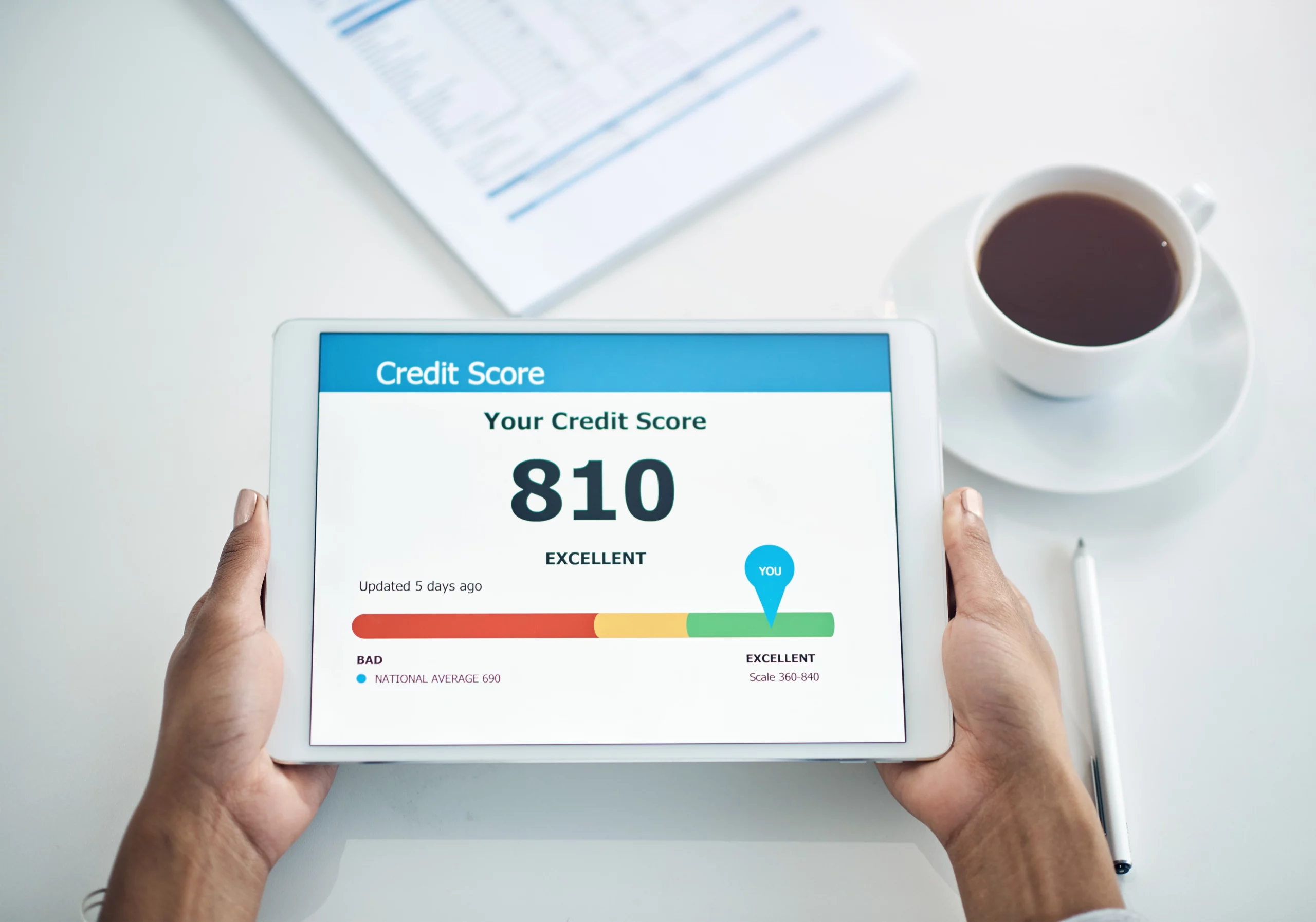
Did you know you can build a credit score and even improve it over time without ever having a credit card? A strong credit rating goes a long way towards maintaining a healthy financial future. Your score is based on current and historical information held in your credit history, including the loans and credit accounts you’ve had in your name, your repayment history for those accounts, and any previous credit applications, limits, or negative events (such as defaults).
Though the credit card is often touted as the primary credit-building method, it’s not the only credit-building method available. In fact, many Australians prefer to manage their finances without relying on credit cards. The good news is there are plenty of effective strategies to improve your credit score without using a credit card.
At Red Tree Finance, we understand that everyone’s financial journey is unique. That’s why we’ve put together this comprehensive guide to help you build and strengthen your credit score without requiring a credit card.
Understanding Credit Scores in Australia
Before we look at the various ways to improve your credit score without signing up for a Mastercard or Visa, let’s quickly break down what a credit score means.
A credit score is like a financial report card that lenders use to assess the risk of lending you money or providing credit.
In Australia, the two main credit reporting bodies that issue ratings are Equifax and Experian. Each caps credit scores at a maximum of 1200, but breaks down the ranges differently:
| Credit Score Range | Equifax | Experian |
|---|---|---|
| Excellent | 853–1200 | 800–1200 |
| Very good | 735–852 | 700–799 |
| Good | 661–734 | 500–699 |
| Average / Fair | 460–660 | 300–499 |
| Below Average / Low | 0–459 | 0–299 |
Factors that may influence your credit score include:
- Your repayment history on eligible credit accounts
- The types of credit you have or have held in your name
- Credit limits and other account information
- The length of your credit history
- Recent credit applications
- Any defaults, court judgments, bankruptcies and other negative events that appear on your credit history
As Experian and Equifax use their own scoring models to calculate your rating, your credit score may vary slightly.
8 Ways to Improve Your Score Without a Credit Card
For individuals who may not qualify for a credit card or prefer to avoid them, here are eight alternative ways you can potentially build and improve your credit score.
1. Establish a Solid Repayment History on Existing Credit
Your repayment history on any existing credit accounts in your name is one of the biggest factors that influence your credit score. These include accounts like personal loans, mortgages or car loans, all of which can help you build a positive credit history if you repay the agreed-upon amount on time. Under Australian credit reporting rules, repayments more than 14 days overdue may be recorded on your report as a missed payment, which can negatively affect your score. Setting up automatic repayments can help you avoid this problem.
2. Keep Your Phone and Utility Accounts Up to Date
Consistently paying your bills on time is an important habit that builds healthy financial practices. While these aren’t typically reported as positive repayment history like credit accounts, missing payments and accumulating debts can result in defaults being recorded against your name, which will negatively impact your rating. The key non-credit payments to keep on top of include:
- Rent payments
- Utility bills (electricity, gas, water)
- Phone and internet bills
Set up automatic payments or reminders to ensure you never miss a due date. Remember, even a single late payment can negatively affect your credit score.
3. Avoid Unnecessary Credit Applications
Did you know that every credit application you make can potentially be recorded as an enquiry on your credit history? These enquiries can directly affect your credit score, and submitting multiple queries in fairly quick succession may reflect differently on your report compared to occasional applications in genuine times of need. If you’re considering applying for a loan or credit product of some kind, think carefully about whether you actually need it, and if you’ll be able to comfortably meet your repayment obligations.
4. Manage Your Existing Credit Responsibly
The diversity of credit accounts you have in your name, including personal loans, mortgages, car loans, and other types of consumer credit, can appear on your credit report and be a factor in calculating your credit score. However, this does not mean you should collect different credit types like they’re trophies. While diversity looks good, it shouldn’t be the primary reason to apply. Demonstrating responsible management of your existing credit accounts by meeting your repayment obligations will usually serve you better and may reflect more favourably.
5. Monitor Your Credit Report Regularly
Keeping a close eye on your credit report can go a long way toward understanding how reporting bodies like Equifax and Experian use your information to determine your creditworthiness. In Australia, you can get a free credit report once every three months. Regularly checking your report allows you to:
- Identify and dispute any incorrect information.
- Verify that the accounts and credit applications appearing on the report do belong to you.
- Detect potential fraud or identity theft early.
- See your existing credit account and repayment history in one place.
- Understand what factors may be affecting your credit profile and therefore your score.
6. Practise Prudent Financial Habits
Maintaining good financial habits can make keeping your financial commitments under control somewhat easier, which can indirectly help to improve and maintain a healthy credit score. This includes:
- Living within your means
- Creating and sticking to a budget
- Building an emergency fund
- Keeping track of repayment dates
- Avoiding unnecessary debt
While many of these measures aren’t likely to directly boost your credit rating, an emergency fund can be useful in times when you need to find funds for an unexpected bill or missed repayment.
7. Be Cautious with Using Buy Now, Pay Later Services
Buy Now, Pay Later (BNPL) services have become increasingly popular in Australia and, as of 10 June 2025, are subject to the country’s consumer credit regulatory framework and modified responsible lending requirements. While they can be a useful tool for building credit, it’s crucial to use them responsibly:
- Make all payments on time
- Don’t overextend yourself by using multiple BNPL services
- Use these services sparingly and strategically
- Treat them as a credit-building tool, not a spending free-for-all
- Be aware that some lenders may view excessive BNPL use negatively
8. Build Your Savings
While savings don’t directly impact your credit score, having a financial buffer in your savings account can help you avoid missing payments or resorting to high-interest loans in emergencies. This indirectly supports a healthy credit score by enabling consistent, on-time payments.
How do Loans Contribute to Building a Credit Score?
Understanding how various loan types affect your credit score can help you make informed decisions about your financial products. Here’s a breakdown of how different loans can impact your credit score:
Secured Loans
Secured loans can be an accessible way to start building credit and diversify your credit portfolio. Credit agencies generally view them favourably because they’re backed by an asset, which reduces the risk for lenders. Your credit score can be considerably raised by properly managing a secured loan.
Personal Loans
Personal loans can also appear on your credit report and may also be an excellent way to build your credit history. Making timely repayments on a personal loan demonstrates that you can manage credit responsibly. However, be cautious about applying for multiple loans in a short period, as this can result in hard credit inquiries that may temporarily lower your score.
Short-Term Loans
When you handle short-term cash loans properly with consistent and on-time repayments, they may help to raise your credit score and diversify your credit portfolio.
However, it’s crucial to use short-term loans responsibly. Only borrow what you can afford to repay, always make your repayments on time, and avoid taking multiple short-term loans simultaneously.
Buy Now, Pay Later (BNPL) Services
BNPL accounts may also impact your credit report and, in turn, your credit rating.
Like other types of consumer credit, an application to a BNPL service can trigger an enquiry on your credit history. Some providers may disclose account and repayment information through Comprehensive Credit Reporting. Just how your application might affect your score can differ depending on the provider, the particular credit reporting body, and any other information that appears on your credit file.
While they can be useful tools, it’s crucial to use them responsibly and avoid overextending yourself.
The Importance of Loan Management
No matter which type of loan you apply for, or already have, how you manage it will likely affect your credit score. Here are some key points to remember:
- Always make your repayments on time
- Keep track of your repayment dates and amounts
- Borrow only what you can comfortably afford to repay
- Be aware of the loan terms, interest rates (including comparison rates), fees and repayment amounts before you apply
- Consider the loan term – longer credit histories generally have a positive impact on your score
- Steer clear of additional credit applications just to increase your rating
What to Avoid When Building Credit
Credit Inquiries and Your Score
When applying for loans, be aware that each application typically results in a hard credit inquiry. These inquiries can temporarily lower your credit score, especially if there are multiple inquiries in a short period. Be strategic and only apply when necessary.
Overextending Yourself Financially
Always borrow within your means. When you take on more financial obligations than you can handle, you’re more likely to miss payments or make them late. At Red Tree Finance, we’re committed to responsible lending and make sure we only approve you for a loan that will meet your needs.
Ready to Take Control of Your Financial Future?
Improving your credit score without a credit card is not only possible but can be an effective way to build a strong financial foundation. By implementing the strategies we’ve discussed – from establishing a solid payment history to monitoring your credit report – you can enhance your creditworthiness and open doors to better financial opportunities.
Remember, building a good credit score takes time and consistent effort. Be patient and stay committed to your financial goals. If you’re considering applying for a loan to help build your credit, or just need some more information, don’t hesitate to get in touch with us. Our team of experts are here to help you navigate your financial journey and achieve your goals.
The information provided in this blog is of a general nature and is provided without considering your specific objectives, financial situation, or needs. It is intended for informational purposes only and should not be relied upon as financial, investment, or other professional advice.
Before making any financial decisions or taking action based on the information presented, you are strongly encouraged to assess its appropriateness in light of your individual circumstances. Red Tree Finance does not intend to provide personalised financial advice, and you should seek independent financial, legal, tax, and other relevant advice tailored to your unique situation.
People also read:
19th June 2023
What Does Debt Consolidation Do To Your Credit Score?

7th August 2024
Can You Drive A Car That Has A Loan Against It?

27th November 2023
How To Get A Christmas Loan in Australia: 4 Easy Steps

Ready to apply for a loan?
Apply to borrow up to $5,000 fast. Complete the online application in less than 5 minutes.
Apply Now
Frequently asked questions
Yes, you can build up a credit rating without ever applying for a credit card. Other consumer credit products like personal loans, mortgages, and Buy Now Pay Later services can all appear on your credit history, as can credit applications and your repayment history. All of these factors can contribute to the calculation of your credit score.
Paying utility bills or your phone bill on time won’t directly improve your credit score, as they are not consumer credit products and therefore do not appear on your repayment history record. However, it’s important to manage your bill payments responsibly. Failing to pay your bills on time, or missing payments completely, can create unpaid debts that can be recorded as defaults on your report and negatively impact your credit score.
To improve your credit score when you have no credit history:
- Start with a small cash loan or low income loan from a reputable lender. Making timely repayments on these loans can help establish a positive credit history.
- Ensure you meet your repayment obligations with any existing consumer credit accounts on time.
- If you’re considering using a buy now, pay later service, do so responsibly, as some lenders now take these into account.
Remember, building credit takes time and consistent responsible financial behaviour. Focus on making all payments on time and managing any credit accounts responsibly.