
- What Is A Credit Card Cash Advance?
- How Cash Advances Work
- The True Cost And Risks Of Cash Advances
- So Why Do Cash Advances Remain So Tempting?
- Alternatives To Cash Advances
- If You Still Opt To Use A Cash Advance
We’ve all had those moments where our pay seems to leave our bank accounts just as quickly as it arrives, thanks to bills and other financial necessities. And then you’re hit with a surprise expense that only takes cash payments. Your bank account is bled dry, so what do you do?
A cash advance may seem tempting in this instance; you pop your credit card in the ATM, grab your cash, and away you go. But convenience like this comes at a cost, and it’s often significant. So, yes. You can get cash advances from credit cards, but be careful if you do.
Let’s take a look at how cash advances work and how alternatives like personal loans may be the more cost-effective option for you.
What Is A Credit Card Cash Advance?
Before you decide whether to use one, it helps to understand exactly what a cash advance is and how it differs from your daily credit card use at the supermarket register.
A Straightforward Explanation Of Credit Card Cash Advances
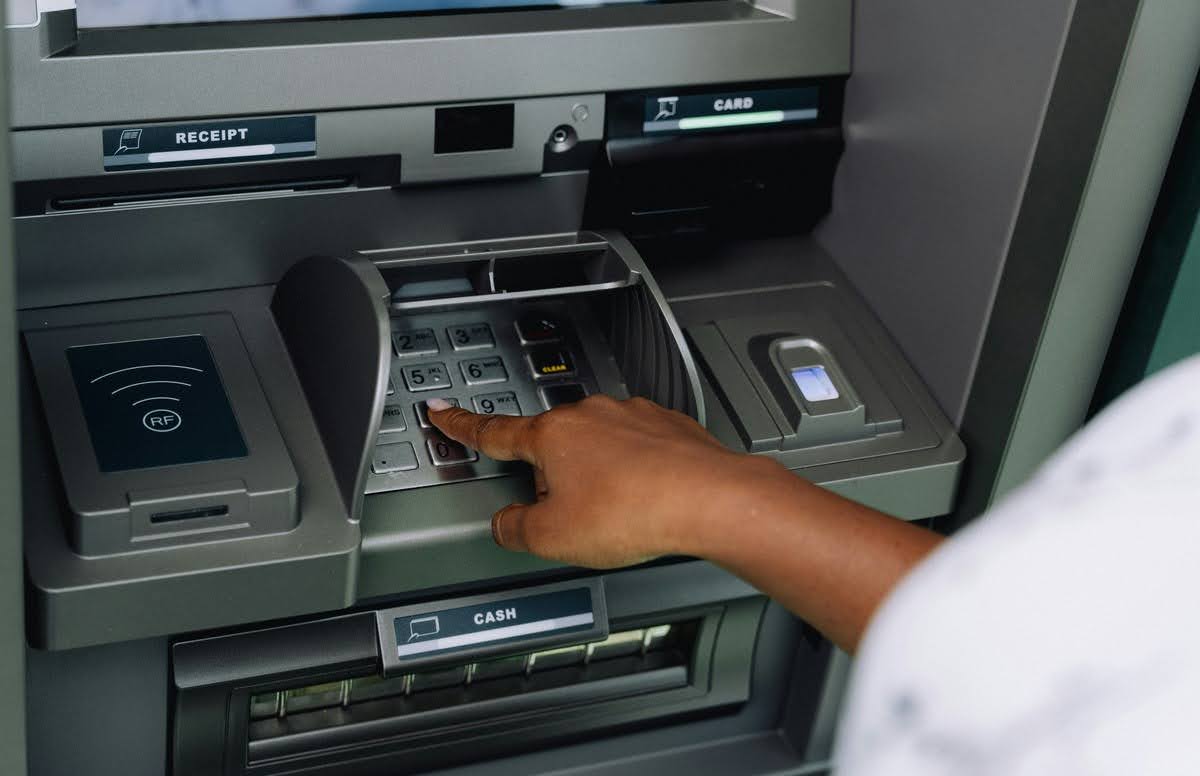
A cash advance is the name for withdrawing cash from your credit card instead of using the card to directly pay for your goods or service purchases. You can usually do a cash advance at an ATM or over the counter at a bank branch.
Cash advances differ from your day-to-day credit card purchases in that they do not come with an interest-free period. Interest charges and other fees start to accumulate immediately, often making cash advances a much more expensive form of borrowing than many people might realise. By contrast, structured options like quick cash loans are designed for borrowers to repay in instalments with clearly defined charges and fixed terms.
How Cash Advances Work
On the surface, cash advances appear to be relatively straightforward. You tap in your PIN, take the money, and you’re good to go. However, the real story on how cash advances work lies in the fine print of your credit card’s terms and conditions.
Fees, Interest And Limits You Need To Know
Though cash advances are generally simple to access, the associated fees and charges are much more complex.
Most credit card providers impose a significantly higher interest rate on cash advances than on regular card purchases. Unlike those purchases, however, the interest gets charged immediately.
You might also pay ATM fees charged by the ATM operator, plus a fee simply for taking out a cash advance. This is usually a percentage of the total amount withdrawn.
On top of that, cash advances usually have a separate limit within your overall credit limit. It doesn’t take much for interest to compound quickly, especially if you only make minimum repayments. The end result? What started out as a small withdrawal blows out into a much larger debt over time.
To see how Red Tree Finance’s structured and secured loans compare, our loan rates and fees and responsible lending guidelines explain how borrowing limits and affordability are assessed.
The True Cost And Risks Of Cash Advances
Many people often don’t realise just how costly a cash advance on their credit card can be, because the costs get spread across interest and associated fees and charges. And the implications can extend beyond your bank balance. Understanding how much debt the average Australian has shows how easily debt can build, even before high-cost products like cash advances are added into the mix.
How Credit Card Cash Advances Can Spiral Into Problem Debt
We’ve seen how cash advances carry higher interest rates than regular purchases, come without an interest-free period, and include various fees and charges – making them significantly more expensive than the initial amount you withdraw.
People who are already financially stretched may find it difficult to keep up with their repayments and can fall into the trap of relying further on their credit card. Missed or late repayments typically attract further penalties and can reflect negatively on your credit report.
The stress that comes from managing these snowballing costs can gradually affect your well-being and make it more difficult to get your finances back on track. A credit card repayment calculator can help you work out how quickly you can pay back your balance in full.
So Why Do Cash Advances Remain So Tempting?
Why do so many people continue to use cash advances, given how expensive they can be? It often comes down to urgent financial needs, timing, and limited alternative options available at the time.
Real-Life Situations Where People Reach For Quick Cash
When essential car repairs, doctors or vet bills, and other daily living costs leave the bank balance looking a bit thin, it’s not hard to see why Australians will turn to cash advances. Even more so when payday is still days away. The temptation of quick cash from an ATM can be an easy fix that many people find hard to resist.
However, it doesn’t take much for that initial one-off solution to become a pattern of dependency, especially if you’re using cash advances to cover everyday expenses. In many of these situations, alternatives like loans for bills or same day loans can provide a more defined structure and clearer terms than frequently relying on cash advances from your credit card.
Alternatives To Cash Advances
Instead of turning to cash advances as an immediate go-to, here are some alternative options to consider that may be cheaper and easier to manage.
Personal Loans And Other Options
For some people, a personal cash loan may provide a more cost-effective and easier-to-manage funding option than a credit card cash advance. Red Tree Finance offers secured loans with fixed interest rates and set terms that mean you know precisely how much you owe and when you need to make your repayments.
Personal loans often work best as funding for larger expenses or for debt consolidation purposes. Other options to consider as alternatives to cash advances include overdrafts, service provider-offered payment plans, or hardship assistance.
As you consider your options, though, it’s always important to compare the total costs and terms and conditions of each option before making your decision.
If You Still Opt To Use A Cash Advance
If you’ve considered your options and still decide that a cash advance is the most suitable option for your present situation, it’s worth doing what you can to minimise its long-term impact on your finances.
Practical Steps To Reduce The Impact
Follow these tips to help reduce the impact a cash advance has on your finances:
- Take out only the amount you need, not the maximum available to you.
- Make an effort to pay the balance off as soon as you can.
- Pay well above the minimum amount required to limit the amount of interest you accrue.
- Avoid taking multiple cash advances in a short space of time.
- Read your statements to better understand the fees and charges.
Revising your household budget, cutting back on non-essential spending, and getting in touch with your bank early if you’re concerned about missing repayments may also prove worthwhile.
Think twice before heading to the ATM
Though the convenience of a cash advance may be useful in an urgent situation, understanding when the cost of that convenience becomes too high is crucial.
Before you make a beeline for the ATM, stop and think about whether options like an emergency loan might work better for you in the long term. Keep cash advances for legitimate emergencies and pay them off as soon as you can.
Over time, building a small emergency buffer can give you more breathing space and help you avoid costly cash advances in the future.
Frequently Asked Questions
Can I get a cash advance on my credit card?
If you have available funds on your credit card, it will most likely be possible for you to withdraw those funds as a cash advance. However, it’s important to understand that cash advances can be expensive due to the interest charges and associated fees.
What happens if you take a cash advance on your credit card?
When you withdraw cash from your credit card as a cash advance, you will be charged interest from that moment, and at a higher rate than your usual rate for purchases. The sooner you pay off the balance in full, the less interest you will pay. You may also be charged a fee simply for taking a cash advance, and incur an additional fee applied by the ATM owner for using their machine.
Can cash advances hurt my credit score?
While cash advances on your credit card won’t directly impact your credit rating, they can make your credit card balance rise significantly due to the interest charges. Higher credit card balances can have an impact on your credit score.
People also read:
The information provided in this blog is of a general nature and is provided without considering your specific objectives, financial situation, or needs. It is intended for informational purposes only and should not be relied upon as financial, investment, or other professional advice.Before making any financial decisions or taking action based on the information presented, you are strongly encouraged to assess its appropriateness in light of your individual circumstances. Red Tree Finance does not intend to provide personalised financial advice, and you should seek independent financial, legal, tax, and other relevant advice tailored to your unique situation.