Borrow between $2,350 - $5,000 today.

Apply now Apply now

Tag: <span>Debt Consolidation</span>

image

Can You Get A Loan For Dental Treatment?

Did you know that your dental health provides strong telltale signs about your general health and well-being? You might think that brushing your teeth twice a day only helps to keep your oral health under control, but good oral hygiene practices do so much more than that. Unfortunately, the high costs of visiting the dentist

Budgeting 16 April 2026

In this article:

    Calculate your loan repayments

    How much would you like to borrow?

    Simple. Transparent. Tailored to you.

    Loan amount:
    $
    $2,350 $5,000
    Repayment frequency:
    Weekly repayment:

    (Over 12 month loan term)

    $0.00
    • Loan term 12 months
    • Interest & Fees $1,072
    • Total to pay $3,172
    arrow
      image

      Did you know that your dental health provides strong telltale signs about your general health and well-being? You might think that brushing your teeth twice a day only helps to keep your oral health under control, but good oral hygiene practices do so much more than that. Unfortunately, the high costs of visiting the dentist in Australia can put essential treatments out of reach for many people. When you’ve woken up with an unexpected toothache or you’re finally dealing with a long-overdue and necessary procedure, the dentist bill can arrive at the worst possible time.

      Why Dental Bills Can Come Out Of Nowhere

      Dental problems can emerge without warning, even for people who brush their teeth twice a day, floss, and just generally maintain healthy oral hygiene practices. A niggling issue like a cracked tooth or a lost filling can snowball into an urgent (and costly) problem overnight.

      Like many other health-related issues, dental emergencies don’t follow a convenient schedule. They certainly don’t check to see that your bank balance can accommodate them. Should you find yourself caught out, an emergency loan can help you cover costs quickly, without the stress of waiting.

      Common Dental Health Issues You Might Encounter

      Among the most common dental expenses that strike without warning are:

      • Emergency tooth extractions and root canals, which can cost several hundred to over a thousand dollars
      • Broken or lost dental work, such as crowns, bridges, or fillings that need immediate replacement
      • Dental infections, which require prompt treatment to prevent the problem from worsening
      • Chipped or fractured teeth caused by accidents, falls, or biting down on something hard

      What Does Dental Treatment Actually Cost In Australia?

      What you ultimately pay at the dentist often varies depending on factors such as the specific procedure, the provider, and your location.

      A routine check-up and clean might set you back anywhere from $150 to $350 (when X-rays become necessary), while more complex treatments can run into the thousands. A single dental implant, for instance, typically costs between $3,000 and $7,000 per tooth. Even a standard root canal can cost upwards of $1,500 at a private clinic. For most Australian households, these are significant amounts; even more so for unplanned but essential procedures.

      If you’re facing a mid-range dental bill, you may find that a loan for $3,000 covers the full cost of treatment and enables you to spread repayments over time rather than needing to pay upfront and in full.

      Does Medicare Cover Dental In Australia?

      “So, what about Medicare?”, you might be thinking. Surely that covers dental treatment?

      Unfortunately, you may be surprised to learn that Medicare generally will not cover the cost of dental services for adults. Dental care sits largely outside the Medicare system, meaning most adults pay the full cost of treatment themselves.

      However, there are specific exceptions where Medicare does cover treatment. The Child Dental Benefits Schedule provides up to $1,132 over two years for eligible children under 18, but coverage for adults through the public system is means-tested and subject to long waiting lists.

      If you don’t qualify for public dental care, an instant loan gives you a fast way to access funds and get treated without delay.

      Your Options For Paying For Dental Treatment

      If you receive a dental bill that exceeds your current bank balance, don’t hit the panic button just yet. There are several avenues you can consider.

      Understanding the options available to you helps you make an informed decision about the best fit for your situation:

      • Payment plans through your dentist: Some practices offer in-house payment arrangements. These can vary, however, and may require a deposit or credit check. Enquire with your practice first if they offer this as an option and how it works.
      • Private health insurance extras cover: If you have extras cover as part of your private health insurance, you may be able to claim part of the treatment cost. Always read the fine print to see what you’re covered for under your policy.
      • Buy now, pay later services: Some dental clinics might accept BNPL providers like Afterpay or Zip Pay, though terms and limits often apply.
      • Credit cards: If your card limit and available balance allows, you can also put your dental treatment expenses on your credit card.

      But what about taking out an online loan with a lending company?

      Can You Use A Personal Loan For Dental Work?

      Yes, you can.

      A personal loan is one of the most flexible ways to cover the cost of potentially expensive dental treatment. It puts money directly into your bank account, giving you the freedom to use it in whichever way best suits your needs. For example, you may choose to cover the cost of a procedure in its entirety, pay for any follow-up appointments, or even factor in any time off work to recover from treatment.

      Australians on a tighter budget might consider a low-income loan, provided you meet eligibility criteria and can demonstrate that you can manage your loan repayments on top of your other existing expenses.

      Important Factors To Consider Before You Apply

      For many people, a loan for dental treatment may provide a sensible and practical solution. Before you apply, consider the following:

      • Total repayment cost: Remember that you’ll be paying back interest and possible fees in addition to the principal amount you initially applied for.
      • Repayment schedule: Many borrowers find that setting a loan repayment schedule that coincides with their payday cycle, whether weekly, fortnightly, or monthly, makes their repayments feel more manageable.
      • Loan amount: If possible, try to borrow only what is required to cover the cost of treatment, and avoid taking on more debt than necessary.
      • Lender transparency: Lenders like Red Tree Finance operate with transparency and in compliance with Responsible Lending practices. No hidden fees, and clear loan terms upfront.

      If you need funds quickly, a cash loan with a fast online application can get you an outcome within hours, so you can focus on getting better rather than worrying about finances.

      Don’t Let Dental Costs Stop Your Smile

      According to the Australian Institute of Health and Welfare, around 3 in 10 people over the age of 18 have delayed necessary dental care, or neglected it completely, due to cost reasons. But with Red Tree Finance, you don’t need to put off essential dental treatment simply because you don’t have the cash on hand right now.

      A personal loan provides you with the funds you need quickly, so you can prioritise your health and pay for treatment as soon as possible. Whether you’re dealing with a dental emergency or planning a procedure you’ve been putting off, understanding your financing options puts you firmly in control.

      Frequently Asked Questions

      View all FAQs View all FAQs

      If you need essential dental treatment but your bank balance is not where it needs to be to cover the costs, there are various options that you can consider. Some dental practices offer payment plans that allow you to pay for your treatment in instalments. If you have private health insurance with extras cover, your policy might cover part of the total expense. Personal loans for dental treatment can also help you to cover costs, either partially or in full.

      If you cannot afford dental treatment, there are means-tested, state-run public clinics that offer low-cost dental care to people with a valid Health Care Card or Pensioner Concession Card. While Medicare does not cover dental treatment for most adults, children may also be eligible for up to $1,132 in free basic dental services every two calendar years under the federal Child Dental Benefits Schedule (CDBS).

      Red Tree Finance offers loans up to $5000 that you can use to cover full or partial dental treatment expenses.

      The information provided in this blog is of a general nature and is provided without considering your specific objectives, financial situation, or needs. It is intended for informational purposes only and should not be relied upon as financial, investment, or other professional advice.Before making any financial decisions or taking action based on the information presented, you are strongly encouraged to assess its appropriateness in light of your individual circumstances. Red Tree Finance does not intend to provide personalised financial advice, and you should seek independent financial, legal, tax, and other relevant advice tailored to your unique situation.


      image
      img
      image
      img
      Apply now

      Ready to apply for a loan?

      Apply to borrow up to $5,000 fast. Complete your online application in under 5 minutes.

      image
      image
      image

      Can I Access My Super Early To Pay Off Debt?

      Debt has a way of sneaking up on you before you realise it. All it takes is for a missed payment on an otherwise manageable credit card balance or a short-term loan to blow out into something that feels impossible to escape.

      Budgeting 16 April 2026

      In this article:

        Calculate your loan repayments

        How much would you like to borrow?

        Simple. Transparent. Tailored to you.

        Loan amount:
        $
        $2,350 $5,000
        Repayment frequency:
        Weekly repayment:

        (Over 12 month loan term)

        $0.00
        • Loan term 12 months
        • Interest & Fees $1,072
        • Total to pay $3,172
        arrow
          image

          Debt has a way of sneaking up on you before you realise it. All it takes is for a missed payment on an otherwise manageable credit card balance or a short-term loan to blow out into something that feels impossible to escape.

          What Is Superannuation?

          Superannuation (or super, for short) is a mandatory system that makes Australians save for their eventual retirement years.

          Across your entire working life, your employer pays a percentage of your earnings into your super fund, and that money is held for you until you reach retirement age. You also have the option to make your own contributions to your super account.

          Why Can’t You Access It Now?

          So why has the Australian Government restricted access to superannuation until retirement? Simply put, it’s because the whole point of super is to provide you with enough funds to live comfortably in your post-retirement years. Drawing from your account now can often impact the balance you’ll live on once you’ve stopped working, sometimes by far more than the debt you’re trying to clear.

          For Australians living day to day on a tight household budget, exploring low income loan options may offer a more practical starting point.

          When Can You Access Your Super Early?

          The Australian Government does allow early access to super, but only in very restricted circumstances. According to the Australian Taxation Office, some of the main circumstances for possible early access to superannuation include:

          • Severe financial hardship: You’ve been receiving eligible and continuous government income support payments for 26 weeks and cannot meet reasonable and immediate family living expenses.
          • Compassionate grounds: To cover costs such as medical treatment, palliative care, mortgage repayments to prevent foreclosure, or home modifications for a disability.
          • Terminal medical condition: If you’ve received two medical opinions confirming a terminal illness with a life expectancy of 24 months or less
          • Temporary incapacity: In certain situations, you may be able to access certain benefits available from your super fund (usually through insurance) if you experience illness or injury that temporarily prevents you from working.
          • Permanent incapacity: If poor health makes it unlikely that you’ll ever gain employment in a job for which you are qualified, you may be eligible for early access to your super.

          It’s worth noting that wanting to pay off debt does not, on its own, qualify as a reason to access your super early.

          Does Debt Count as Financial Hardship?

          This question is one that can confuse some people.

          Under Australian superannuation laws, general debt such as credit cards, personal loans, or buy-now-pay-later balances does not automatically qualify the debt holder for severe financial hardship assistance.

          Eligibility requirements for hardship assistance differ depending on whether you are under or have reached your preservation age plus 39 weeks.

          Under Preservation Age + 39 Weeks

          If you are under your preservation age plus 39 weeks, you need to demonstrate that you genuinely cannot cover essential living costs and that you’ve been receiving eligible income support from Services Australia for the required period. Even if you are granted early access to your superannuation, the allowable maximum amount is capped: you can withdraw one lump sum payment of a minimum of $1,000 and a maximum of $10,000 per 12-month period.

          Reached Preservation Age + 39 Weeks

          For people who have reached preservation age plus 39 weeks, they may qualify for hardship assistance if they’ve been receiving eligible government income support payments (such as Centrelink) for a cumulative 39 weeks after reaching that preservation age, and have not been in paid work when they apply for that assistance.

          If your existing debt is manageable but is causing you a degree of stress, a personal loan structured for debt repayment may offer a far more accessible option.

          The Real Cost of Early Access to Superannuation

          Before you pursue early super access, it’s well worth understanding the short and long term costs that it presents you.

          If you are under 60, the ATO generally taxes withdrawals made under financial hardship or compassionate grounds as normal super lump sums. This is usually between 17% and 22%, depending on your circumstances.

          In addition to what you lose in tax now, there’s the long-term loss of compounded interest growth benefits that you’ll possibly lose over decades. Withdrawing $10,000 from your super while you’re in your 30s could equate to far more than $10,000 in lost savings post-retirement.

          It’s also worth noting that withdrawing super may affect any Centrelink payments you receive, so it’s worth investigating. If you’re dealing with financial hardship, understanding all the downstream consequences is critical before you act.

          Before Touching Your Super, Consider These Options

          There are many ways to start managing your debts without the threat of long-term financial implications. Before you start venturing down the path of applying for early access to superannuation, consider these alternative approaches:

          • Consolidating debts: Combining multiple debts into one loan can streamline your repayment schedule. It might even reduce the overall interest that you pay. You can read a detailed guide on how debt consolidation works before deciding if it suits your situation.
          • Negotiating with creditors: Many lenders and credit providers will work with you to devise a workable repayment plan or offer a temporary pause, but you will need to contact them directly and explain your current circumstances.
          • Financial counselling: The National Debt Helpline provides Australians with free, confidential advice from qualified financial counsellors.
          • Advance payments – if you receive government payments from Services Australia, such as Centrelink or Family Tax Benefit (Part A), you may be eligible for an early partial payment that you pay back later.
          • Emergency or fast loans – a short-term fast loan can cover an urgent gap without needing to touch your retirement savings

          If you want to maintain your super balance and keep your retirement on track, these options may provide a suitable alternative to early super access.

          How to Apply If You Do Qualify

          If you do meet eligibility requirements for early access to your superannuation, the application process depends on the ground you’re applying under.

          For severe financial hardship, you apply directly to your super fund, as the Australian Taxation Office does not handle these requests. You’ll need to provide your super fund with documented evidence that you’ve been receiving eligible income support payments for the required period; bank statements or a letter from Services Australia can confirm this.

          For compassionate grounds, you apply through the ATO via your myGov account. The ATO will assess your eligibility claims. If it approves your application, you’ll receive an authorisation letter that you then take to your fund to release the funds.

          The process takes time, so if you need to urgently clear your debt, something like a same-day loan may fill that need while you wait for an outcome.

          Know Your Options Before You Decide

          If you’re wondering, “Can I access my super early to pay off debt?”, it may be possible in specific circumstances. However, there are often other options that could have less impact on your long-term financial future.

          Early super access comes with costs that affect you now and when you retire. There are immediate tax implications and the loss of long-term compound growth.

          Before making a decision, be sure to weigh up all options available to you. Speak with a free financial counsellor, look into debt consolidation, and consider whether a structured loan product might solve your problem with fewer long-term consequences.

          If you’d like to explore borrowing options that could help you get on top of your debt today, take a look at what’s available and find something that suits your situation.

          Frequently Asked Questions

          View all FAQs View all FAQs

          You may be eligible to release up to $10,000 of your super before you retire or reach retirement age, but only in very strict and specific circumstances. For severe financial hardship, you will need to show documented receipt of an eligible income support payment from the Australian Government for a continuous period of 26 weeks, and be unable to meet reasonable and immediate living expenses. If you qualify under that rule, you may be able to withdraw between $1,000 and a maximum of $10,000 once in a 12-month period.

          If you are legally able to access your superannuation by meeting a natural condition of release, such as retirement or reaching the required age, you can generally use your super however you wish. If you have not reached retirement age, wanting to clear credit cards, personal loans, or other everyday debts alone will not qualify you for early access to your super. You will need to meet additional requirements, such as temporary or permanent incapacity to work, or severe financial hardship.

          You may be able to withdraw all of your super, but only if you meet a full condition of release. These conditions can include retirement or reaching retirement age, permanent incapacity, or a terminal medical condition. Early access rules for financial hardship do not allow you to withdraw your full balance, as they usually limit the amount you can take to between $1,000 and $10,000 in a 12-month period.

          The information provided in this blog is of a general nature and is provided without considering your specific objectives, financial situation, or needs. It is intended for informational purposes only and should not be relied upon as financial, investment, or other professional advice.Before making any financial decisions or taking action based on the information presented, you are strongly encouraged to assess its appropriateness in light of your individual circumstances. Red Tree Finance does not intend to provide personalised financial advice, and you should seek independent financial, legal, tax, and other relevant advice tailored to your unique situation.

          image
          img
          image
          img
          Apply now

          Ready to apply for a loan?

          Apply to borrow up to $5,000 fast. Complete your online application in under 5 minutes.

          image
          image
          image

          What Is A Credit Card Balance Transfer?

          With living costs on the rise in Australia, high-interest credit card debt can feel like a treadmill that never stops. Whether you're struggling to keep up with everyday bills and expenses or carrying a balance that just won't shrink, a “balance transfer” might sound like the best way to get off that treadmill. While this

          Debt Consolidation 15 April 2026

          In this article:

            Calculate your loan repayments

            How much would you like to borrow?

            Simple. Transparent. Tailored to you.

            Loan amount:
            $
            $2,350 $5,000
            Repayment frequency:
            Weekly repayment:

            (Over 12 month loan term)

            $0.00
            • Loan term 12 months
            • Interest & Fees $1,072
            • Total to pay $3,172
            arrow
              image

              With living costs on the rise in Australia, high-interest credit card debt can feel like a treadmill that never stops. Whether you’re struggling to keep up with everyday bills and expenses or carrying a balance that just won’t shrink, a “balance transfer” might sound like the best way to get off that treadmill. While this option may provide some financial breathing space and offer an effective solution, balance transfers aren’t always the “get out of jail free” card they appear to be.

              How Does A Balance Transfer Really Work?

              Before signing a new credit agreement, it’s important to think about the short-term benefits and the long-term risks, and consider each carefully.

              The Advantages

              • Temporary relief from high interest: Transferring your balance from a high-rate to a low-rate (or no-interest) card can help you reduce your principal quicker.
              • Simpler debt management: Transferring multiple credit card balances into one single card can make your finances easier to manage, as you only have one repayment to keep track of instead of several.

              The Drawbacks

              • The revert rate can be expensive: If you don’t repay the transferred balance in full before the end of the promotional period, the remaining amount often attracts a significantly higher interest rate. For some people, depending on the balance, this can be like walking one step forward and two steps back. This can lead to a situation that leaves you considering an emergency loan to cover an unexpected shortfall.
              • Fees can reduce the benefit: Many balance transfer offers come with an upfront transfer fee, which lenders add to your balance from day one. This means the offer may not be as cost-effective as it first appears.
              • It can encourage ongoing credit card use: For some borrowers, moving the balance creates a false sense of progress. Keeping old cards open or making new purchases on the balance transfer card makes it easy to fall back into old habits and maintain the same debt cycle.

              Why A Balance Transfer Isn’t Always The Best Solution

              While some credit card holders can make balance transfers work to their advantage, they’re not always suitable for everyone and require a lot of self-control to manage.

              Moving the debt from one card to another and believing you’ve solved the problem doesn’t always work out that way. It’s why many people fall into the trap of keeping their old cards open and continuing their spending.

              In many cases, banks don’t always allow a full transfer of the balance of your new card; you might only be able to move 70% or 80% of the approved amount. This leaves you with a “hangover” of debt on your old high-interest card, which defeats the point of consolidation.

              Many providers can also cancel your 0% offer right away if you miss just one payment, putting you back where you started. When you’re already under financial pressure, waiting weeks for a solution isn’t an option. This is why many Australians look into same-day loan options that can stop the interest clock sooner.

              Structured Personal Loans: The Alternative

              For many Australians seeking ways to reduce their debt, maintaining a revolving door of credit cards (even with low to no interest) risks keeping the debt problem alive. This is where cash loans for debt consolidation can provide a better, more organised way to get your balance down.

              Unlike a credit card that stays open until you decide to cancel it, a secured loan has a set end date, which allows you to clearly see the end of the tunnel. This may make your life easier by paying off all of your cards at once with a cash loan. There is no guesswork or “revert rates”; just a simple plan to pay off your debts.

              Key Things To Consider When Making A Consolidation Plan

              Before signing up for an online loan, or any new financial product, you should look beyond the “low rate” headlines and see how the debt structure aligns with your current financial circumstances.

              To make sure your plan for a fresh start works, think about the following things:

              • Repayment scheduling: Can you schedule your repayments directly with your payday – whether it’s weekly, fortnightly or monthly – so you don’t run out of money?
              • Speed of approval: Every day counts when your current interest rates are sky high. The quicker the decision on your application, the quicker you can stop the interest from bleeding on your old cards.
              • A clear finish line: With a fixed-term loan, you know you’ll pay the debt off by a certain end date. With credit cards, you can choose to only make the minimum payments, which keeps the debt cycle ongoing.
              • Cost transparency: Has the lender clearly outlined the total costs and interest rates up front, or are there hidden “revert rates” and annual fees that you can’t see?
              • Human assessment: Will you only have an algorithm judging your application, or will the lender also look at your current job and how well you can handle payments today?

              How To Decide Which Option Suits Your Situation

              Choosing between a balance transfer and a consolidation loan as the best option to manage your debts will depend on your spending habits.

              A balance transfer might work for someone who has only a small amount of debt and is very disciplined about not using their card to buy coffee or petrol. But if you really want to stop using “plastic” for good, a personal loan may suit you better and allow you to combine all of your debts into one fixed payment. This will enable you to start over and see your balance finally reach zero by a certain date.

              Take Charge Of Your Financial Future

              While a credit card balance transfer can be helpful for some people, it’s often just a band-aid solution to a bigger problem for others.

              Moving debt from one card to another doesn’t erase the issue. It might reduce the problem, but it can also just “relocate” the problem. To really manage your debts and reclaim control of your finances, a structured plan with a clear start and end date goes a long way.

              At Red Tree Finance, we understand that getting on top of debt is rarely about those quick fixes. More often, it comes down to choosing an option that is realistic, manageable and easier to stick with over time. For some borrowers, that may mean looking beyond credit cards altogether and exploring fast loans online that offer clear repayment terms and an even clearer endpoint.

              Frequently Asked Questions

              View all FAQs View all FAQs

              A balance transfer credit card allows you to move the balance you owe from a card with a high interest rate to one that comes with a lower rate of interest (or 0% interest) for a determined period of time. This enables you, as the cardholder, to repay the principal you owe more quickly than you would on a high-interest-rate card. While balance transfer cards allow you to simplify your debt repayments at a lower interest rate, they do often incur a one-time fee to facilitate the transfer.

              Credit card balance transfers can be an effective debt management strategy for some people, but they won’t necessarily work for everyone. If you’re disciplined enough to treat your balance transfer card simply as a way to reduce your debt, it may provide the benefits you need. But if you continue to use the card for spending, you risk adding to your debt and defeating the original purpose of transferring the balance.

              Common drawbacks that come with a credit card balance transfer can include:

              • The upfront transfer fee (which can be up to 5% of the total balance)
              • The significantly higher interest rate that your credit card reverts to if you don’t pay off the balance in full during the promotional period.
              • The possible drop in your credit score. Though it’s often temporary, any new credit application can negatively impact your rating.

              The information provided in this blog is of a general nature and is provided without considering your specific objectives, financial situation, or needs. It is intended for informational purposes only and should not be relied upon as financial, investment, or other professional advice.Before making any financial decisions or taking action based on the information presented, you are strongly encouraged to assess its appropriateness in light of your individual circumstances. Red Tree Finance does not intend to provide personalised financial advice, and you should seek independent financial, legal, tax, and other relevant advice tailored to your unique situation.

              image
              img
              image
              img
              Apply now

              Ready to apply for a loan?

              Apply to borrow up to $5,000 fast. Complete your online application in under 5 minutes.

              image
              image
              image

              Does Debt Consolidation Affect Your Credit Rating?

              It can be easy to manage your finances when you only have one debt to pay off, like a credit card or a personal loan you took out for a holiday. But dealing with multiple repayments on debts like personal loans, credit cards, and mortgages can start to feel overwhelming. That’s when a debt consolidation

              Debt Consolidation 24 February 2026

              In this article:

                Calculate your loan repayments

                How much would you like to borrow?

                Simple. Transparent. Tailored to you.

                Loan amount:
                $
                $2,350 $5,000
                Repayment frequency:
                Weekly repayment:

                (Over 12 month loan term)

                $0.00
                • Loan term 12 months
                • Interest & Fees $1,072
                • Total to pay $3,172
                arrow
                  image

                  It can be easy to manage your finances when you only have one debt to pay off, like a credit card or a personal loan you took out for a holiday. But dealing with multiple repayments on debts like personal loans, credit cards, and mortgages can start to feel overwhelming. That’s when a debt consolidation loan can help you make your finances easier to manage.

                  What Is Debt Consolidation And How Does It Work?

                  Consolidating your debts can help you better manage your finances by combining any existing debts in your name into a single loan. Those debts might include, for example, a credit card, a rental bond loan and any buy now, pay later purchases that you’re paying off.

                  Rather than looking for a magic wand that immediately clears their debts, borrowers will typically opt for debt consolidation to make their repayments more manageable. In doing so, they find that budgeting and planning ahead become much easier when they’re managing just one repayment and one interest rate.

                  It’s important to understand that while consolidation may reduce financial stress, you will need to ensure that you can afford the new loan and that it suits your circumstances.

                  Important Things To Consider Before Consolidating Debt

                  Before you move forward with a debt consolidation loan, it’s important to determine whether it will genuinely improve your current financial standing. Consolidation simply replaces your existing debts rather than eliminates them, so you will need to consider issues like affordability and long-term impact.

                  • Affordability: Make sure the new monthly repayment fits your personal or household budget.
                  • Total cost: Understand how the interest rates and fees work to ensure you don’t end up paying more over the life of the loan.
                  • Habit change: Debt consolidation ultimately works best when you pair it with disciplined spending. Adding to your total debt amount after consolidating existing debts can quickly undo your progress.

                  Exploring secured loan options with a lender like Red Tree Finance can help ensure the loan structure aligns with your goals and supports responsible borrowing.

                  How Consolidation Affects Your Credit Score: The Journey

                  It’s important to know that your credit score won’t stay static during the process of consolidating your debts. In the short term, there will be a small drop. But as long as you manage your repayments in the right way and don’t do anything else that negatively affects your credit rating, your score will likely recover in due course. Understanding the immediate and long-term effects enables you to manage the transition with confidence.

                  The Immediate Effect: A Minor Dip

                  There are two reasons why you will likely experience a small yet temporary dip in your credit score:

                  • Hard enquiries: Formally applying for a cash loan automatically triggers a “hard enquiry” which stays on your credit report for five years. Though a single enquiry is a minor event that likely won’t have any lasting effects on your rating, lenders will perceive multiple loan application submissions in a short space of time as a red flag that indicates financial stress.
                  • New account age: A newly approved personal loan in your name lowers the “average age” of your credit accounts. This can result in a small yet short-term drop in your score.

                  The Ongoing Effect: Growth Through Consistency

                  Ultimately, your repayment history is the most important factor that determines the ongoing strength of your credit score. This is precisely where consolidating your debts gives you the greatest benefits.

                  Combining multiple debts into a single payment lowers the risk of accidental late fees or missed deadlines.

                  Action Impact on Credit Score Why?
                  Submitting an application Slight decrease Due to both the hard enquiry on your file and the drop in average credit age.
                  Closing old credit cards Variable effect Lowers your total available credit, but streamlines your credit profile.
                  On-time repayments Major increase Shows reliability and creditworthiness over time.
                  Reducing total debt Major increase Lowers your “credit utilisation” ratio as your balances drop.

                  Though you may see a short-term drop in your credit score when you apply for a debt consolidation loan, the continuing effects will depend largely on how well you manage the loan. Credit reporting bodies like Experian and Equifax typically look at sustained patterns rather than one-off events, which means that the consistency in your repayments matters more than a single loan application.

                  Alternatives To Debt Consolidation And Where To Get Help

                  As appealing as the idea of debt consolidation might seem, it won’t necessarily be the right solution for everyone. Other options that may better suit some borrowers include:

                  • Budgeting support
                  • Financial counselling
                  • Negotiating with creditors

                  In situations where the debt amount is considerably higher, or the borrower’s ability to meet their repayments is problematic, the lender may agree to a formal debt arrangement. However, these agreements can have stronger and longer-lasting impacts on your credit report.

                  If you’re uncertain as to which option will best suit your current financial situation, MoneySmart recommends seeking independent financial counselling. Before you settle on applying for a debt consolidation loan, make sure you understand all available options. Doing so can help you avoid decisions that may cause further financial strain.

                  How Red Tree Finance Supports Responsible Lending

                  Red Tree Finance is committed to responsible lending and maintaining clear communication with all prospective and existing borrowers. We assess each loan application individually to ensure the borrower is entering into a suitable and affordable loan contract. We explain all loan terms, costs, and repayment expectations clearly to ensure that borrowers make as informed a decision as possible.

                  Concentrating on being upfront and ensuring our loans suit our borrowers means Red Tree Finance can help people access debt consolidation loans up to $5000 that support their immediate and long-term financial needs.

                  Take Control Of Your Debt With Confidence

                  Consolidating your debts can be an effective way to simplify your repayments and manage your finances. But many people ask, “Does debt consolidation affect your credit score?” If that question leaves you reluctant about the process, don’t worry. You can confidently move forward knowing that you may experience a slight short-term dip, but that dip will usually recover as long as you keep up your repayment obligations.

                  A good loan can help you feel less stressed and build a more stable financial future if you plan and make your payments on time. From emergency loans to low-income loans, exploring your options could be the first step towards feeling more confident and in control of your money.

                  Though the benefit of consolidating your debts is that you’re combining multiple repayments into one, there may be some downsides for some borrowers. For example, moving the balance you owe on your credit card to a debt consolidation loan frees up available funds on your card, potentially leading to increased spending and a “double debt” situation. Your debt consolidation loan will also be a secured loan, which means that you put your registered vehicle up as security. If you’re unable to meet your loan repayment obligations, the lender can legally seize your vehicle to repay the cost of the loan.

                  You may see a small drop in your credit score when you apply for a debt consolidation loan. However, as long as you meet your repayments, that drop will often be temporary, and your rating will likely improve over time.

                  Consolidating debts can be good for some borrowers, but it won’t be suitable for everyone. It’s important to remember that debt consolidation won’t reduce how much you owe, but it will simplify your repayment schedule. To determine whether it is the right option for your situation, or whether other available options may be more suitable, consider speaking to a financial counsellor.

                  The information provided in this blog is of a general nature and is provided without considering your specific objectives, financial situation, or needs. It is intended for informational purposes only and should not be relied upon as financial, investment, or other professional advice.Before making any financial decisions or taking action based on the information presented, you are strongly encouraged to assess its appropriateness in light of your individual circumstances. Red Tree Finance does not intend to provide personalised financial advice, and you should seek independent financial, legal, tax, and other relevant advice tailored to your unique situation.

                  image
                  img
                  image
                  img
                  Apply now

                  Ready to apply for a loan?

                  Apply to borrow up to $5,000 fast. Complete your online application in under 5 minutes.

                  image
                  image
                  image

                  How Much Debt Does The Average Australian Have?

                  Financial debt is a reality for many Australians. Whether it’s getting a mortgage, home renovations, starting a business or covering unexpected expenses, borrowing money has become a financial tool used by many Aussies. There are many ways to handle debt if you feel like it’s getting out of control, like a debt consolidation loan. But

                  Debt Consolidation 22 April 2025

                  In this article:

                    Calculate your loan repayments

                    How much would you like to borrow?

                    Simple. Transparent. Tailored to you.

                    Loan amount:
                    $
                    $2,350 $5,000
                    Repayment frequency:
                    Weekly repayment:

                    (Over 12 month loan term)

                    $0.00
                    • Loan term 12 months
                    • Interest & Fees $1,072
                    • Total to pay $3,172
                    arrow
                      image

                      Financial debt is a reality for many Australians. Whether it’s getting a mortgage, home renovations, starting a business or covering unexpected expenses, borrowing money has become a financial tool used by many Aussies. There are many ways to handle debt if you feel like it’s getting out of control, like a debt consolidation loan. But how much debt does the average Australian have? We’ll explore both consumer and mortgage debt so you can find out where you stand.

                      How much debt does the average Australian have?

                      In Australia, according to an independent Finder study, the average household debt is $261,492, made up of mortgage and consumer debt. Of course, most of that debt is in the form of mortgages, so to get a clearer picture of consumer debt, we need to remove property from the equation.

                      The average consumer debt (excluding mortgages)

                      Consumer debt refers to any type of personal debt that is not connected to a home loan. Consumer debt is usually taken out to purchase goods or services that do not appreciate in value and are often purchased for short-term use. The average Australian consumer debt is:

                      • Credit card debt: $3,306
                      • Personal loans: $8,098
                      • Car loans (can be short or long term): $13,315
                      • Buy now, pay later (BNPL) services: $867

                      It is important to manage your consumer debt responsibly as these types of loans are labelled as “bad debt” by credit reporting bodies. Consumer debt is considered to be bad debt because the goods or services purchased using this debt often depreciate over time and are usually attached to higher interest rates.

                      Creating a budget can help you stay ahead of your repayments and to meet your repayments when they are due. A budget allows you to track how much money you need to have allocated for debt repayments.

                      What is the average mortgage debt?

                      Close up of a toy house next to a set of keys with a couple signing the mortgage paperwork in the background

                      According to the latest Australian Bureau of Statistics (ABS) data, the average home loan debt is $665,978. This reflects the ongoing growth in property prices and the larger loans that buyers are taking on to enter the property market.

                      The price of new builds is typically tied in with the current market prices, which means that first-home buyers(or those who are building) have to borrow more, compared to buyers who purchased years ago. The average home loan debt is affected by owners who purchased their properties for a lower purchase price and who may have locked in their interest rates at a lower rate.

                      Can you consolidate multiple loans?

                      If you have multiple smaller consumer loans, such as credit card debt or small cash loans, one way to stay on top of your repayments is with a debt consolidation loan. Debt consolidation combines multiple loans and debts into a single easy-to-meet repayment.

                      Instead of keeping up with multiple due dates and varying amounts, debt consolidation simplifies things by combining all your debts into one single loan and repayment, with the same amount due each repayment cycle.

                      What are some strategies to reduce debt?

                      Happy couple make a budget on a laptop together

                      You can reduce your debt by taking small, manageable steps that help you take back control of your finances. You don’t need to be an expert – just a few smart habits can make a big difference over time such as:

                      • Create a budget to track your income and expenses (such as utility bills), helping you understand where your money is going and where you can cut back.
                      • Pay more than the minimum on your debts when you can, especially those with high interest.
                      • Focus on one debt at a time, using strategies like the snowball (paying off your smallest debt first) or avalanche (paying off your highest interest debt first) methods.
                      • Avoid taking on new debt unless it is essential or an emergency.
                      • Avoid big-ticket purchases where possible, until you have paid off your debts.
                      • Look for extra income, such as freelance work, a side hustle, or selling unused items.
                      • Cut non-essential spending, like dining out, ordering in, or subscription services you rarely use.

                      Take control of your debt with Red Tree Finance

                      By adjusting your habits and putting together a solid plan, you can steadily reduce your debt and gain more control over your financial future. If you’re looking for a way to streamline your debts into one simple repayment, consider a debt consolidation loan. It can be a great way to make sure you never miss a repayment, and it’s possible to pay less interest over the lifetime of the loan. If you have any questions or need more information, feel free to contact our dedicated team.

                      Frequently Asked Questions

                      View all FAQs View all FAQs

                      The estimated average debt of an Australian is approximately $21,413 in personal (consumer) debt. Some examples of common consumer debts include:

                      • Credit card debt
                      • Personal loans
                      • Car loans (can be short or long term)
                      • Buy now, pay later (BNPL) services

                      According to Money.com.au, in 2025, the average Australian has $46,825. This amount does vary between the different generations and is heavily influenced by the older demographics.

                      People also read:

                      The information provided in this blog is of a general nature and is provided without considering your specific objectives, financial situation, or needs. It is intended for informational purposes only and should not be relied upon as financial, investment, or other professional advice.

                      Before making any financial decisions or taking action based on the information presented, you are strongly encouraged to assess its appropriateness in light of your individual circumstances. Red Tree Finance does not intend to provide personalised financial advice, and you should seek independent financial, legal, tax, and other relevant advice tailored to your unique situation.

                      image
                      img
                      image
                      img
                      Apply now

                      Ready to apply for a loan?

                      Apply to borrow up to $5,000 fast. Complete your online application in under 5 minutes.

                      image
                      image
                      image

                      What Does Debt Consolidation Do To Your Credit Score?

                      Are you stuck with more debts than you can afford to pay? You may be looking at debt consolidation as a potential option to take control of your finances once and for all. But how does debt consolidation work, and what does debt consolidation do to your credit score? It has the potential to hurt

                      Loans Advice 19 June 2023

                      In this article:

                        Calculate your loan repayments

                        How much would you like to borrow?

                        Simple. Transparent. Tailored to you.

                        Loan amount:
                        $
                        $2,350 $5,000
                        Repayment frequency:
                        Weekly repayment:

                        (Over 12 month loan term)

                        $0.00
                        • Loan term 12 months
                        • Interest & Fees $1,072
                        • Total to pay $3,172
                        arrow
                          image

                          Are you stuck with more debts than you can afford to pay? You may be looking at debt consolidation as a potential option to take control of your finances once and for all. But how does debt consolidation work, and what does debt consolidation do to your credit score? It has the potential to hurt or help your score, depending on how diligent you are with repayments. In this comprehensive guide, we’ve outlined the pros and cons, plus some alternatives to debt consolidation.

                          What is debt consolidation?

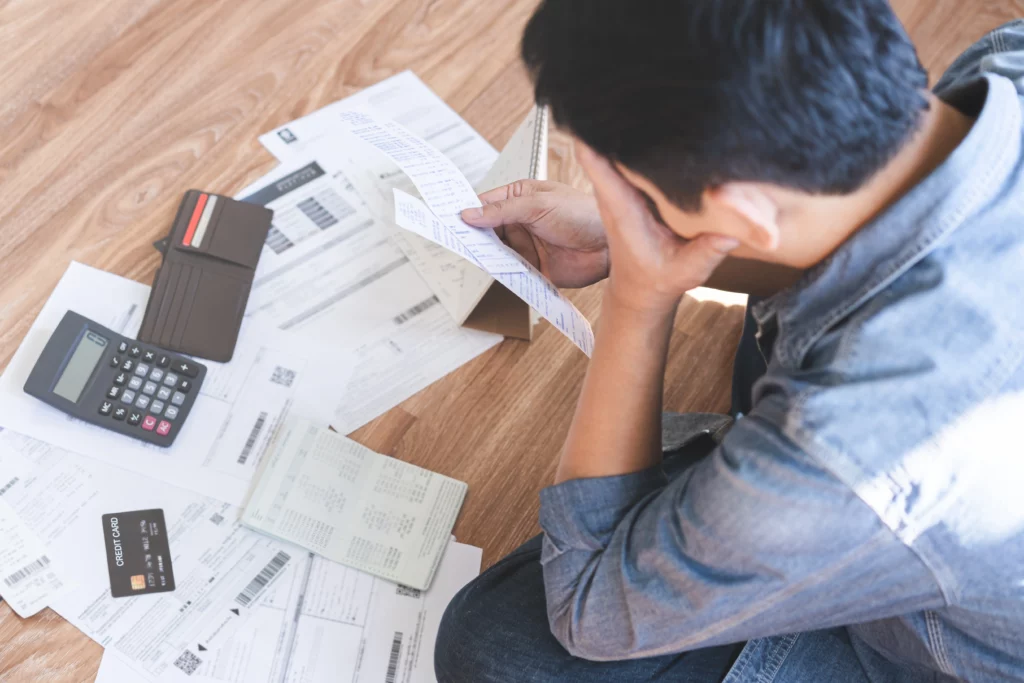
                          A man sits on the floor in front of a pile of unpaid bills, his empty wallet, and a calculator displaying zero

                          Financial debt is a reality for most Australians. Most people with multiple debts face the prospect of keeping track of many different repayment schedules and amounts.

                          Debt consolidation is a way of combining your existing debts, such as credit cards or personal loans, into one manageable loan. It’s a way to streamline your debts into one monthly repayment, so you’re less likely to incur late fees from missed payments. They can even save you money in the long run if you qualify for a debt consolidation loan with a lower interest rate than the ones on your current debts.

                          Types of debt consolidation

                          Before we consider the advantages and disadvantages of debt consolidation, as well as its impact on your credit score, we need to go over the different types of debt consolidation that exist. There are several ways you can consolidate your debts. They include:

                          • Debt consolidation loans: Getting a debt consolidation loan is one of the easiest options to combine multiple debts into a single loan, with a structured payment plan. For people who have multiple high-interest payments, this can potentially lower your interest rates.
                          • Credit cards: Getting a new credit card is another way to consolidate all your debts. You can apply for a balance transfer card and get all your existing debts transferred to the new card, sometimes at a lower interest rate. However, make sure you read the terms and conditions, as these cards can sometimes incur balance transfer fees and higher interest rates as opposed to debt consolidation loans.
                          • Home equity loan: A home equity loan or a home line of credit can be used to consolidate your debt. However, this is a type of secured loan that uses your home as collateral, so you must be prepared to complete all your payments on time.

                          What does debt consolidation do to your credit score?

                          Like all forms of credit, debt consolidation can have a negative or positive impact on your credit score. When you apply for a debt consolidation loan, a hard credit check can temporarily drop your credit score. But as long as you manage your loan responsibly and make repayments on time, this should only be a temporary drop.

                          Below we’ve outlined some positive and negative affects a debt consolidation loan can have on your credit score.

                          Positives Negatives
                          Builds a history of on-time repayments Hard credit check will cause temporary drop
                          Lowers the chance of missed repayments Can shorten the length of your credit history
                          Reduced credit utilisation ratio Doesn’t solve root cause of debt

                          The potential negative effects on your credit score are mostly short-term. By responsibly managing your debt consolidation loan, you could see long-term benefits, like paying off your debt sooner and an increase in your credit score.

                          But there are some factors other than your credit score you should take into account before deciding whether a debt consolidation loan is right for you.

                          What is a debt consolidation loan?

                          A debt consolidation loan is a type of personal loan that you use to pay off other debts. It’s a way to save on annual fees and multiple interest charges, as well as reducing the chance of missing payments by combining them into one regular repayment.

                          Debt consolidation vs personal loan

                          Every debt consolidation loan is a personal loan, but not all personal loans are debt consolidation loans. A personal loan can be used to pay for anything like emergency bills, car repairs, or even a holiday. What makes a personal loan a debt consolidation is your decision to use it to pay off your debts.

                          Pros and cons of a debt consolidation loan

                          A happy couple sit at their kitchen island and go over their finances with bills and a tablet in front of them

                          Every person’s financial situation is different, and there’s no one-size-fits-all approach to managing debt. We’ve outlined some pros and cons to help you figure out whether a debt consolidation loan is right for you.

                          Pros of debt consolidation

                          • Less stress: gives you some relief by putting all your existing debts into one online loan with a single interest rate and payment schedule.
                          • Lower interest rate: A debt consolidation loan can lower the overall interest rate of your debts with a low-interest loan or zero-interest rate credit card (this is usually only valid for an introductory period)
                          • Customised payment schedule: you can choose recurring weekly, fortnightly, or monthly payments that line up with your pay schedule to avoid being caught short
                          • Pay off debts sooner: a customised payment schedule means you could pay your debt off sooner
                          • Increase in credit score: through consistent on-time payments, you will begin to see your credit score rise.

                          Cons of debt consolidation

                          • Costly fees: in consolidating your debts, you may incur some fees. These can include balance transfer fees, closing fees, and loan origin fees.
                          • Higher interest rate: You may not be able to get a lower interest rate, especially if your credit score is quite low.
                          • Risk of losing assets: If an unsecured loan isn’t an option, you may have to opt for a secured loan using something of high value for collateral. This could be a car or a house, which you might not feel comfortable losing if you can’t make repayments.
                          • Potential costs over time: If you get a consolidation loan with a longer repayment period, you may incur higher costs over time.
                          • Not a complete solution: a debt consolidation loan is a way of managing existing debt, but it doesn’t solve the root cause of accumulating debt, such as poor budgeting or overspending.

                          If you’re still not sure whether a debt consolidation loan is the right solution for your circumstances, the National Debt Helpline is a great resource to consult. There you can access free, confidential financial counselling to help you get back on track.

                          Debt consolidation alternatives

                          A woman in a yellow jumper smiles while taking a phone call in her kitchen

                          If you’re looking for alternatives to debt consolidation loans, there are some options.

                          Negotiate payment terms

                          Sometimes life throws you an unavailable curveball, and you might not be able to meet all your repayments in a particular month. If you’ve fallen behind, try calling your creditors and explaining your situation. Most organisations will work with you to negotiate an arrangement you can afford to pay, rather than ignoring the problem until it snowballs out of control.

                          Debt management plans

                          A debt management plan is an agreement between debtors, creditors and a debt management firm, which allows you to pay off all your debts at a rate you can afford. If you are wary about taking out a new loan, this may be a suitable option. However, you may lose the ability to open new credit accounts during this time.

                          Bankruptcy

                          Bankruptcy is a last resort step when debts become completely unmanageable. Although filing for bankruptcy helps to reduce or eliminate your finances, it can have serious long-term impacts on your credit score. It can stay on your credit history for up to 7 years, which will make it difficult to open new credit accounts. You should consult a financial advisor before considering this option.

                          Consolidate your debt with Red Tree Finance

                          Now that you know what debt consolidation can do to your credit score, you can soundly make the right decision for your circumstances. At Red Tree Finance, we understand the importance of a good credit history and are here to help you navigate through the process. With our online debt consolidation loans, you can regain control of your finances and take a step towards improving your creditworthiness.

                          Don’t let debt hold you back any longer! Contact the experienced team of loan assessors at Red Tree Finance today and discover how a debt consolidation loan can lead you to a brighter financial future.

                          Frequently Asked Questions

                          View all FAQs View all FAQs

                          A debt consolidation loan can actually raise your credit score over time, as long as you have completed your payments on time. You may see a decrease in your credit score at first, however in time this can improve.

                          If you have multiple debts that you cannot afford to pay and struggle to keep track of, a debt consolidation loan may be the best option for you. This will combine your debts into one easy and manageable payment system, which may actually come with a lower interest rate than all your debt payments beforehand.

                          In some cases, your credit cards will close during the term of your debt consolidation plan. However, if your account remains in good standing after you have paid your debts, you can still use them. It’s always important to remember that credit cards may be the reason you have stumbled into this financial situation in the first place. So it’s important to implement some smart budgeting tips to prevent more debt in the future.

                          People also read:

                          The information provided in this blog is of a general nature and is provided without considering your specific objectives, financial situation, or needs. It is intended for informational purposes only and should not be relied upon as financial, investment, or other professional advice.

                          Before making any financial decisions or taking action based on the information presented, you are strongly encouraged to assess its appropriateness in light of your individual circumstances. Red Tree Finance does not intend to provide personalised financial advice, and you should seek independent financial, legal, tax, and other relevant advice tailored to your unique situation.

                          image
                          img
                          image
                          img
                          Apply now

                          Ready to apply for a loan?

                          Apply to borrow up to $5,000 fast. Complete your online application in under 5 minutes.

                          image
                          image
                          Apply now Apply now