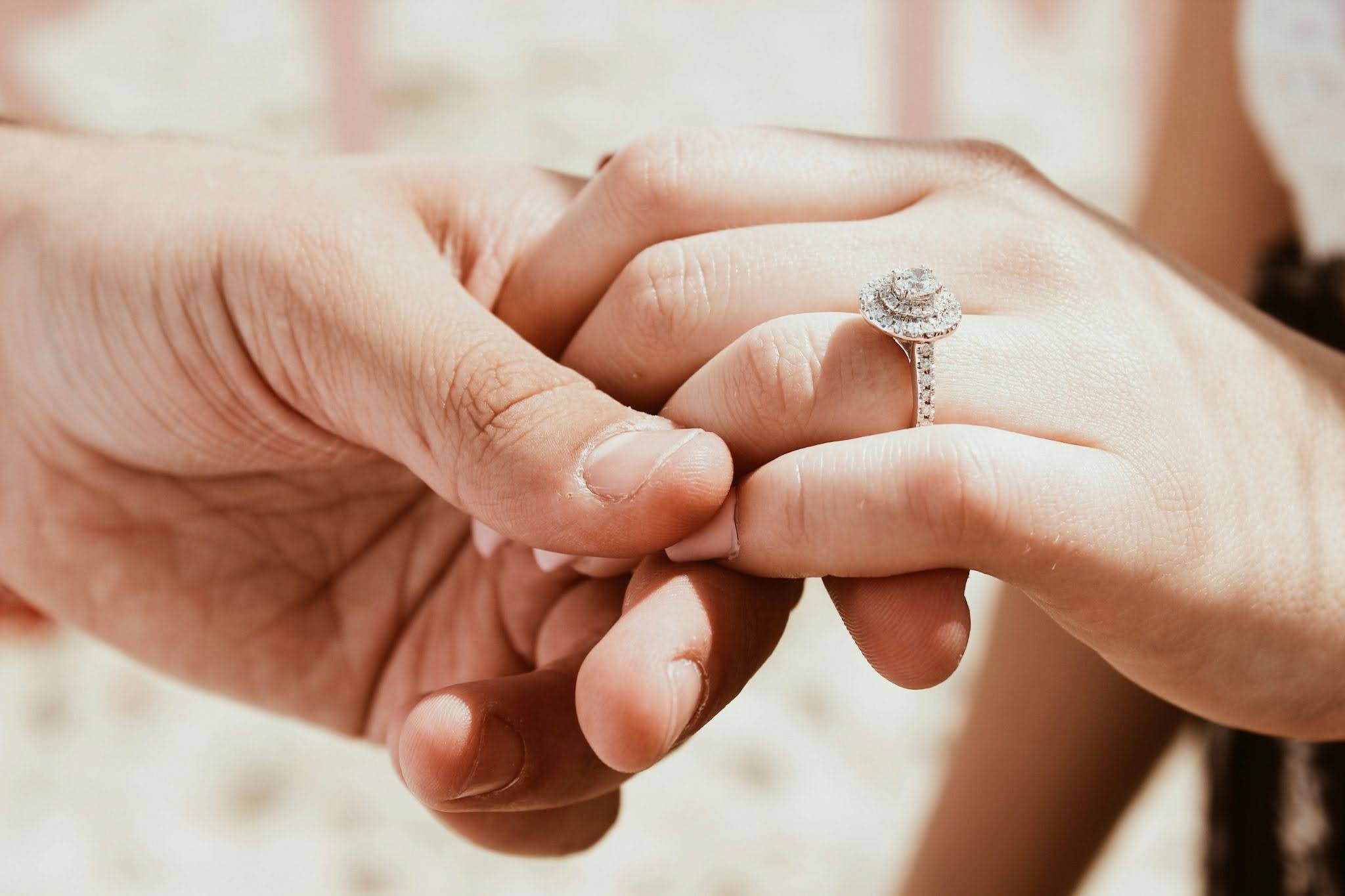
- Is There A “Right” Amount To Spend On An Engagement Ring?
- What Is The Average Engagement Ring Cost In Australia?
- What Affects The Cost Of An Engagement Ring?
- Lab-Grown vs Natural Diamonds
- Mental Health Support
- Physiotherapy and Rehab
There’s no single right answer to how much an engagement ring should cost, because the best budget is the one that suits your situation and your priorities. For some couples, that means saving steadily; for others, it may mean looking at options like a cash loan to help manage a meaningful purchase without putting everything on hold.
Is There A “Right” Amount To Spend On An Engagement Ring?
The old idea that you should spend a certain number of months’ salary on a ring is one that many people still talk about, but it is more tradition than rule. A ring is really about personal meaning, not meeting someone else’s expectations. What feels comfortable for one person may feel excessive or too limited for another, which is why a realistic budget matters more than a fixed formula.
That’s also why many people start by thinking about what they can afford without stretching their everyday finances too far. If you are balancing a ring purchase with other priorities, it can help to look at how to save money fast for a wedding or similar planning ideas before you commit.
What Is The Average Engagement Ring Cost In Australia?
Engagement ring prices in Australia vary widely, from simpler rings at under $1,000 to higher-end pieces that cost several thousand dollars or more. The average spend depends on the stone, the metal, and whether the ring is custom-made or bought ready to wear. In practice, many buyers aim for a budget that feels thoughtful but manageable, rather than chasing a single “average” figure.
It also helps to remember that retail pricing can look different online and in-store. Some shoppers are comfortable comparing styles across jewellers, while others prefer the hands-on experience of seeing the ring in person before making a decision.
What Affects The Cost Of An Engagement Ring?
The centre stone is usually the biggest factor in the final price. Carat weight, cut, clarity, and colour all influence cost, and even small changes can make a noticeable difference. A well-cut, smaller diamond can sometimes look more striking than a larger one with lower quality, so size is only one part of the picture.
Metal choice also matters. Yellow gold, white gold, rose gold, and platinum each sit at different price points, with platinum often costing more because of its durability and density. The setting has an impact too, since solitaire rings are usually simpler, while halo, vintage-inspired, and custom designs tend to involve more labour and detail.
The brand and retailer can shift the price as well. Designer jewellers may charge a premium for reputation and presentation, while independent jewellers can sometimes offer more flexibility. If you’re comparing prices, you may find it useful to think about your other wedding costs and how you plan to cover them. This can give you an idea of how much you have left for a ring.
Lab-Grown vs Natural Diamonds
Lab-grown diamonds are generally more affordable than natural diamonds, which is one reason they have become more popular with budget-conscious buyers. They are visually similar to natural diamonds and can offer a larger or higher-quality stone for the same price. Natural diamonds, on the other hand, usually carry a higher price because of how they are formed and sourced.
The choice often comes down to personal preference, rather than cost alone. Some people value the lower price of lab-grown stones, while others prefer a natural diamond for tradition or resale considerations. Either way, it is worth comparing like-for-like stones so you can see what your budget can genuinely cover.
How To Set A Realistic Budget
A realistic budget starts with your own circumstances, not pressure from family or a rule you’ve learned from social media. Think about your savings, your existing financial commitments, and whether you want to include room for wedding, honeymoon, or future household expenses. Once you know your comfort range, you can narrow the ring style and stone size accordingly.
It can also help to separate “must-haves” from “nice-to-haves.” For example, if a specific diamond shape matters most, you may choose a simpler setting to balance the total cost. Making a budget in Excel can help you plan for all your upcoming wedding costs, including an engagement ring, so everything fits into the bigger picture.
Should You Get A Loan For An Engagement Ring?
A wedding loan can make sense for some buyers if they want to spread the cost over time rather than use all their savings at once. The key is to make sure the repayments fit comfortably within the budget you already have. For some people, that flexibility can take pressure off the purchase and make it easier to choose a ring they feel good about.
What Matters More Than The Price Tag
A good engagement ring should feel meaningful and realistic for the person buying it. The “right” cost is the one that gets you the ring you want without creating unnecessary strain afterwards. A personal loan may be able to help when you want a little more flexibility around the timing of a purchase or want to spread the cost out over time.
Red Tree Finance offers online loans that may suit people looking for a straightforward way to cover a planned expense. If you want to explore that option, the online loans page explains how the process works in a simple, practical way.
Frequently Asked Questions
What is the 3-month salary ring rule?
It is an old budgeting idea that suggests spending three months’ salary on an engagement ring, but it is not a rule and does not suit everyone.
Is $3000 too cheap for an engagement ring?
No, $3,000 can be a perfectly reasonable budget depending on the ring style, stone type, and what matters most to you.
How much do Australians spend on engagement rings?
There is no fixed amount, but Australian spending varies widely from under $1,000 up to $12,000+, with many people choosing a budget that reflects their personal circumstances rather than a set average.
The information provided in this blog is of a general nature and is provided without considering your specific objectives, financial situation, or needs. It is intended for informational purposes only and should not be relied upon as financial, investment, or other professional advice.Before making any financial decisions or taking action based on the information presented, you are strongly encouraged to assess its appropriateness in light of your individual circumstances. Red Tree Finance does not intend to provide personalised financial advice, and you should seek independent financial, legal, tax, and other relevant advice tailored to your unique situation.
People also read:
23rd January 2026
How Much Does It Cost To Elope?
11th June 2025
7 Ideas For Small Wedding Reception At Home
25th May 2023
11 Tips On How To Have A Cheap Wedding

Ready to apply for a loan?
Apply to borrow up to $5,000 fast. Complete the online application in less than 5 minutes.
Apply Now